


 Observing First-Generation College Celebration Day on November 8
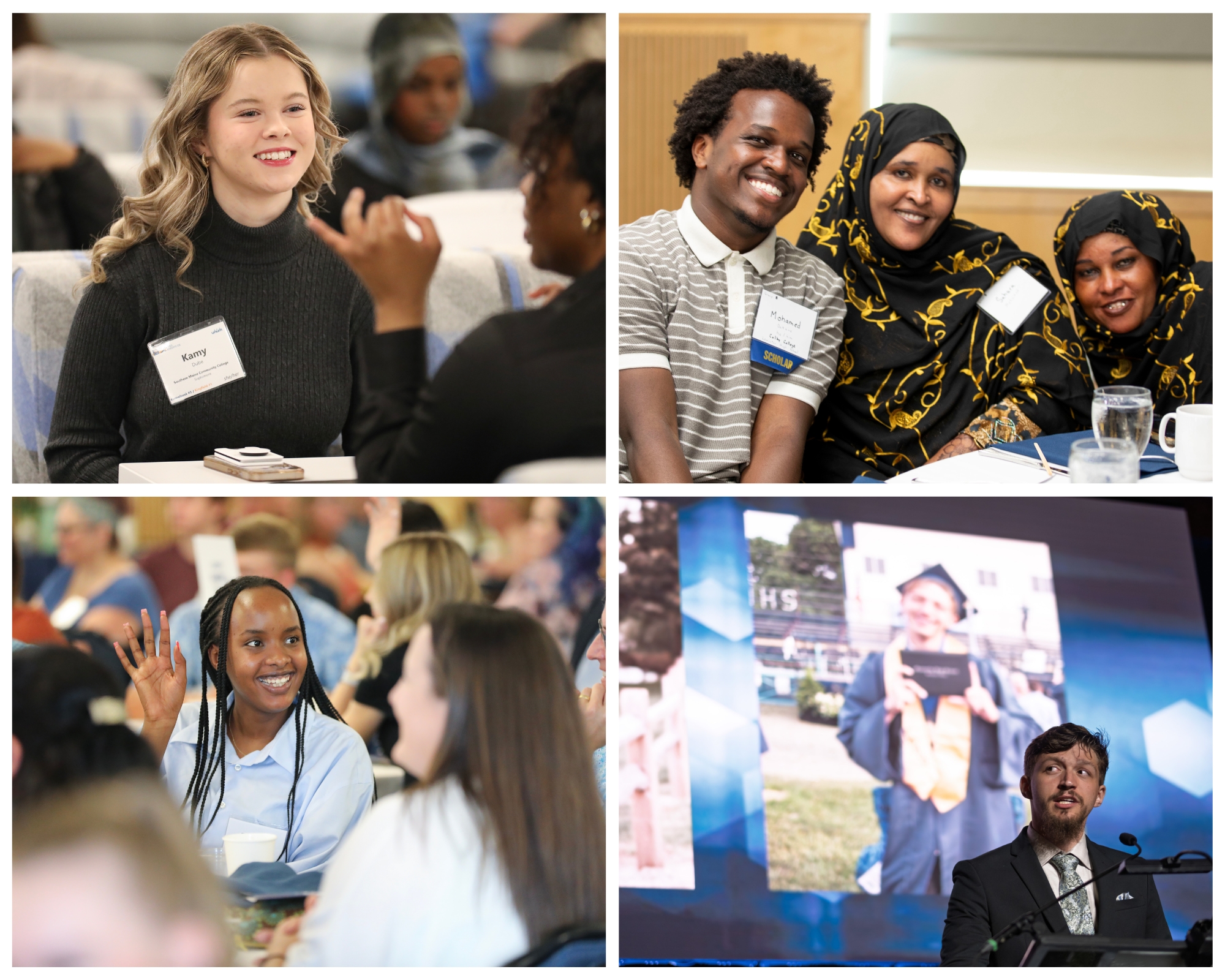
A collage featuring Mitchell Scholars who are first-generation college students
On Sunday, November 8, 2026, the Mitchell Institute and other nonprofits, colleges, universities, and K-12 schools nationwide will observe First-Generation College Celebration Day, also known as First-Gen Day.
Since our founding, we at the Mitchell Institute have been focused on supporting those who are the first in their family to attend college. These students are often trailblazers, aspiring to excel in pathways that were not offered to their families and communities. Today, more than half of Mitchell Scholars graduate from college as the first in their family to do so at a graduation rate of 89%—a full 41 points above the 48% graduation rate for first-generation students nationwide (source).
As First-Gen Day approaches, Mitchell Institute Scholarship Director Casey Near provided insight into the history of First-Gen Day and how it aligns with our mission at the Mitchell Institute.
What is First-Gen Day?
First-Gen Day is celebrated every year on November 8 to mark the anniversary of President Lyndon B. Johnson signing the Higher Education Act of 1965. This law established many of the federal financial aid programs and investments in colleges and universities that have since helped first-generation students access, persist in, and complete their college education (source). Additionally, First-Gen Day honors students who are the first in their families to earn a college degree. With the higher education landscape facing decades of market and public policy headwinds, it is more important now than ever to ensure that support for first-generation students is reliable and responsive.
How does First-Gen Day align with the mission of the Mitchell Institute?
Since its founding, the Mitchell Institute has worked to ensure that young people from every community in Maine aspire to, pursue, and achieve a college education. That work starts with understanding the barriers to entering college for young people, including a lack of access to funds, information, and support. Often, first-generation students face all three of these barriers. Families without a college degree tend to have fewer financial resources. Plus, first-generation students may not have anyone at home who has navigated college firsthand and can provide advice and guidance.
How does the Mitchell Institute support first-generation students?
For first-generation students, getting into college is just the beginning of their higher education journey. Success also means navigating the many decisions and crossroads along the way. At the Mitchell Institute, we help students not only get to college through financial support but also stay enrolled in and complete college. This happens through emergency funding for unexpected costs, check-ins to talk through a change in major or career path, regularly scheduled events that build a supportive community, and Fellowship awards that fund professional opportunities. The Mitchell Institute is proud to provide much more than the initial scholarship, and this matters most for first-generation Scholars who may not have a network or resources to fall back on.
How has the first-generation population changed over time?
At the Mitchell Institute, we have always focused on supporting students who are facing barriers to higher education. This year, we’re especially proud of a rise in first-generation Scholars. In the Class of 2026, 63% of Scholars are the first in their families to attend college—up from 53% in 2024 and 58% in 2025. 2026 also marked our first year partnering with Common App, an endeavor that we hope will continue to help us reach even more Maine students applying to college.
—
For 30 years, the Mitchell Institute has helped Maine students overcome barriers to higher education. By providing financial support, personal guidance, and a lifelong network, the Institute empowers Mitchell Scholars to graduate, build meaningful careers, and strengthen Maine’s communities and workforce through their success and leadership. Learn more.