


Alumni Spotlight · Mitchell Institute
You Never Know What Moment Is Going to Change the Course of a Life
Sarah Holbrook was a first-generation student from Fort Fairfield with a promise she had made to a child she loved. Today she is a rare disease scientist, a patient advocate and a postdoctoral researcher whose work has helped send a gene therapy into clinical trials. This is her story — and the story of everyone who carried her along the way.
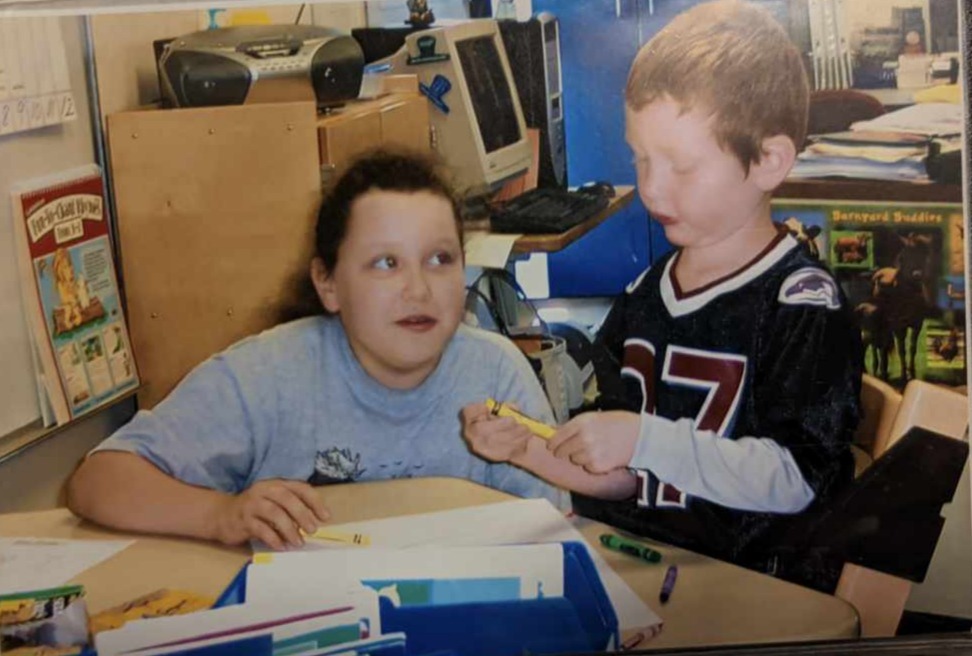
Sarah and Thomas during their reading buddy sessions — the friendship that started everything
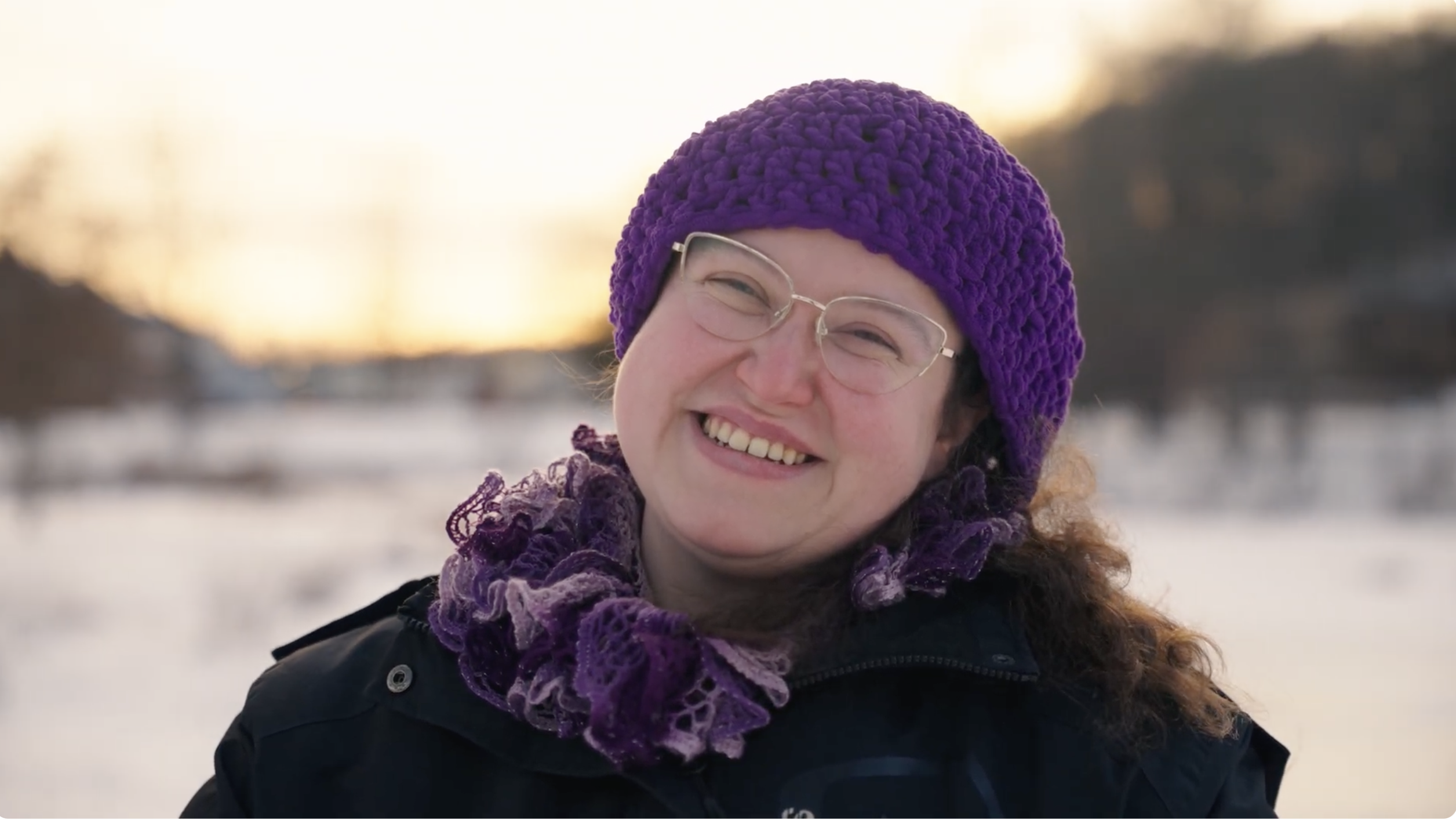
Dr. Sarah Holbrook, Mitchell Scholar, Class of 2013, is a rare disease researcher and patient advocate whose work has helped bring a gene therapy into clinical trials.
His name was Thomas. He was a kindergartener who loved the Berenstain Bears and could not yet read.
When Sarah Holbrook’s fourth-grade class was paired with reading buddies, the numbers did not work out evenly — one boy had two buddies, which meant one other child had none. Sarah noticed. She asked if she could sit with him. She started reading.
What happened next — over months, then years — would change the course of both their lives, and eventually the lives of children Sarah had not yet met.
Thomas had Batten disease, a rare and fatal neurological disorder that gradually takes a child’s movement, speech and sight. He was surrounded by people who loved him. And he had Sarah, who kept showing up, who watched the boy who once ran and laughed and screeched slowly lose the ability to walk, who came back after winter break one day to find he was simply gone.
She was in fourth grade. She had just met the reason for everything she would do next.
A Mother Who Believed. A Daughter Who Promised.
Sarah Holbrook grew up in Fort Fairfield in a home without a lot of money and without a family blueprint for what college looked like. Her mother worked hard to earn her GED and poured everything she had into her children’s futures. After losing Thomas, Sarah began devouring every textbook she could find about the diseases that take children apart. Her mother brought them home.
A school trip took Sarah to the Jackson Laboratory in Bar Harbor, where she watched scientists model diseases and search for medicines, and something clicked permanently into place.
“That is this,” she remembers thinking. “This is what I want to do. This is where I am going to do it.”
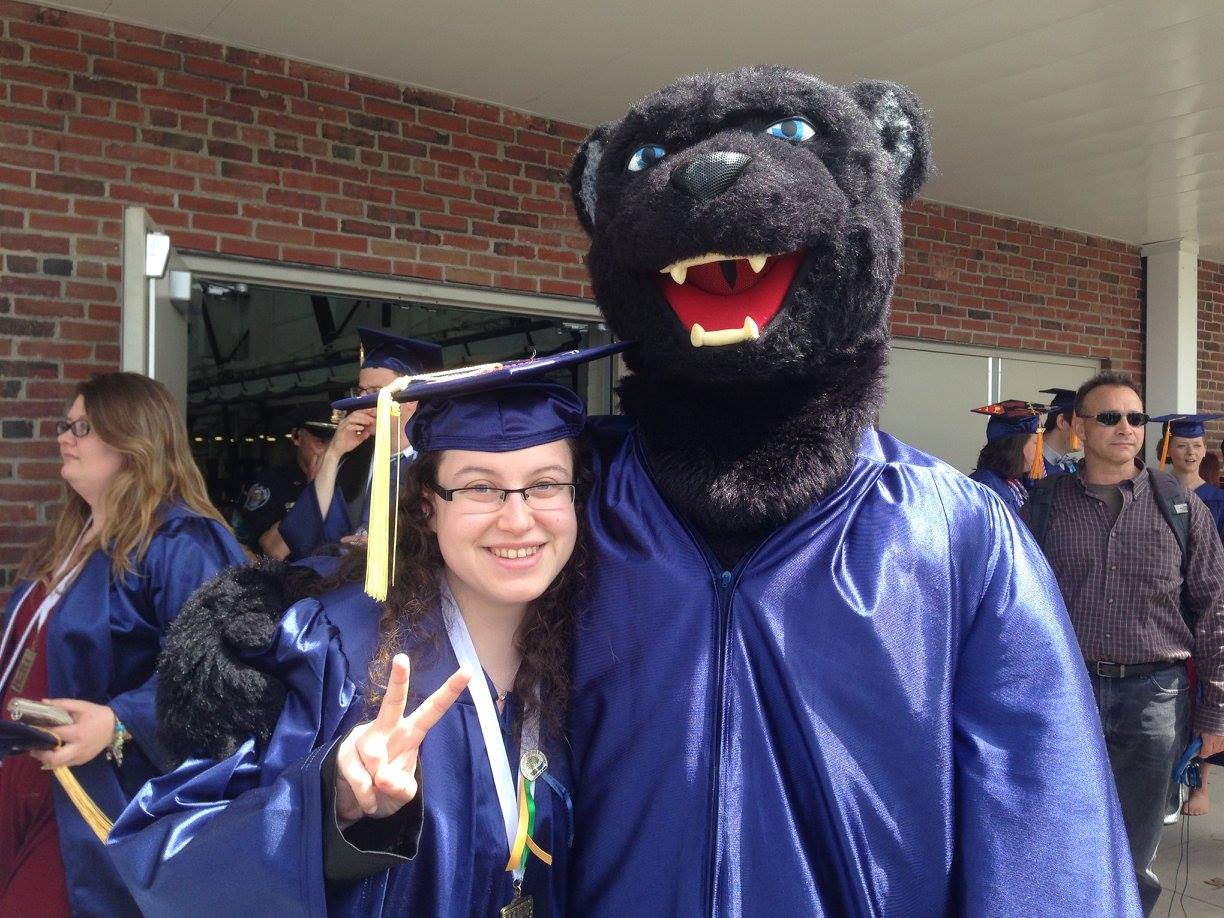
In 2013, a Mitchell Scholarship made college possible. She became the first in her family to earn a degree. Then she earned acceptance to a doctoral program at the Jackson Laboratory — the same place that had first shown a teenage girl from Aroostook County that a life in science was something she could reach.
The promise she had made to Thomas was becoming something real.
Sarah at her undergraduate graduation — the first in her family to earn a college degree.
What Your Investment Made Possible
At Jackson Lab, Sarah joined a pre-clinical study investigating whether gene therapy could treat a rare neuromuscular disease — one that, like Batten disease, robs children of movement and function. Working alongside a team at Nationwide Children’s Hospital, the researchers developed findings strong enough to bring to the Food and Drug Administration. The application for a clinical trial was accepted. The therapy entered trials. Children have already been treated.
She designed the therapy’s mascot herself — Thomas, the rare disease zebra, named for the boy who had started everything.
This is what a $10,000 scholarship to a girl from Fort Fairfield helped set in motion.
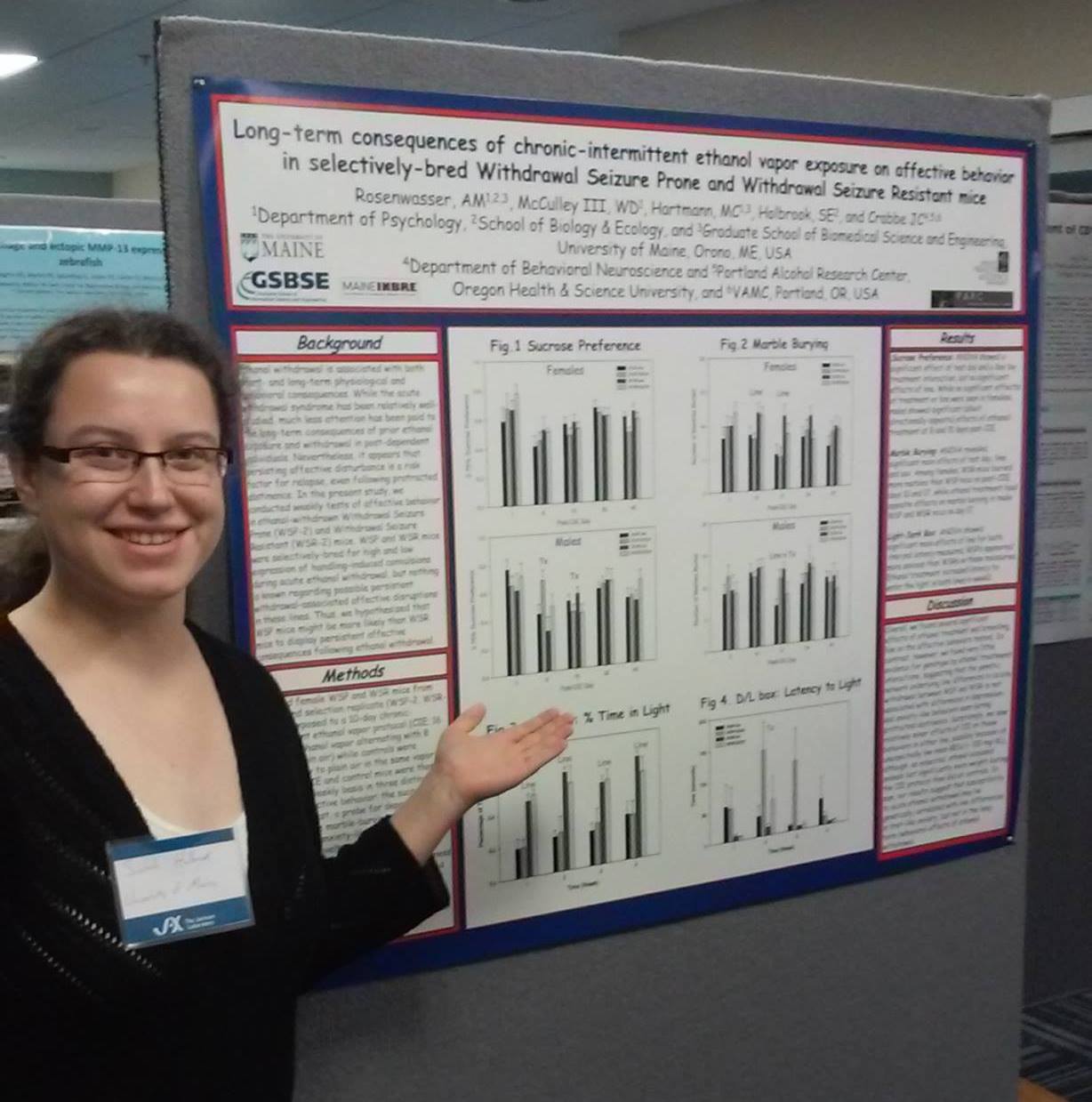
Sarah presenting her undergraduate research — the science she had first dreamed of as a teenager on a school trip to Bar Harbor.
When the World Went Sepia
None of it came without cost. Sarah arrived at the Jackson Laboratory at 22, ready to begin her doctoral work, when her mother — her only parent, her loudest champion — died of a heart attack. Her brother died not long after. Others followed, from different causes, in relentless succession. By the time she completed her doctorate, she had lost more than 10 members of her family, navigating each loss while also navigating graduate school.
“All those people I wanted to make proud,” she says. “It was really hard to see the light in anything.”
She describes those years in terms that are almost physical. During one rare good day in the middle of her grief, she happened to look up and notice the sky was blue. She realized she had stopped seeing color. The world had gone sepia.
“I realized what I had lost — and it gave me a drive to see a blue sky and color in the world again. Since then, I have made special note of the sky.”
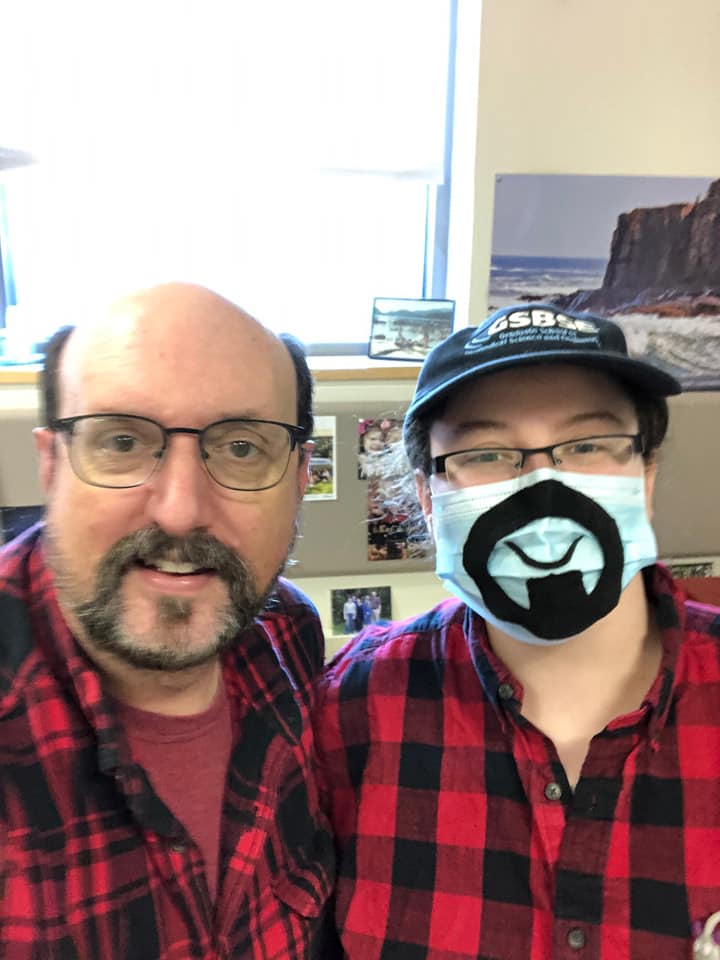
What carried her through was people. Fellow scientists. Graduate students. The rare disease families she had dedicated her career to serving. And her doctoral adviser, Dr. Gregory Cox — her Science Dad, as she calls him with great affection — who walked into his darkened office one day to find Sarah in the middle of a panic attack, knelt beside her and told her to take all the time she needed. Who spent a day helping her find a new car after hers was totaled, then took her to Dairy Queen and insisted she get a loyalty card for a free Blizzard down the road.
“I do not think he knew it at the time,” Sarah says, “but it was very hard for me to think of a future. The idea of surviving the next month, let alone getting seven more Blizzards, seemed absurd.”
She still has that card. It is her reminder that there is still joy ahead. She has learned, she says, to look for it.
“By people reaching out to me and me being willing to reach back out to them,” she says, “they saved me.”
Sarah with her doctoral adviser Dr. Gregory Cox — her “Science Dad” — who she credits with helping carry her through the hardest years of her doctorate.
Sharing the Light
Sarah has come to understand community the way she understands a tapestry — stories and people and experiences woven together into something larger than any one thread. When the world unravels, the connections you have made can stitch you back together. Sometimes, she says, they make you stronger at the broken places.
She has tried to pay that forward in every direction she can find. She crochets stuffed animals for children with rare diseases and their families — a quiet project that has already reached children like Noa, a little girl diagnosed with Canavan disease in 2021, who received the very first one and loves her little snake dearly. She speaks publicly about grief and therapy and the vulnerability she once saw as weakness and now understands as her greatest strength.
In recent months, navigating her own health conditions, Sarah has enrolled in clinical research trials — this time as a subject rather than a scientist. She has written about the MRI tube, the EEG cap, the magnetic pulses mapping her motor cortex. And she has written about what she found on the other side: clinicians who cared about the person, not just the data. Someone who brought her a warm blanket during an infusion.
She knows what that kind of care means. She has spent her career trying to provide it.
“I do not know what the future has in store, but I will continue sharing my story and light with others — even if that is in the form of a cap that makes me look like a Christmas tree.”
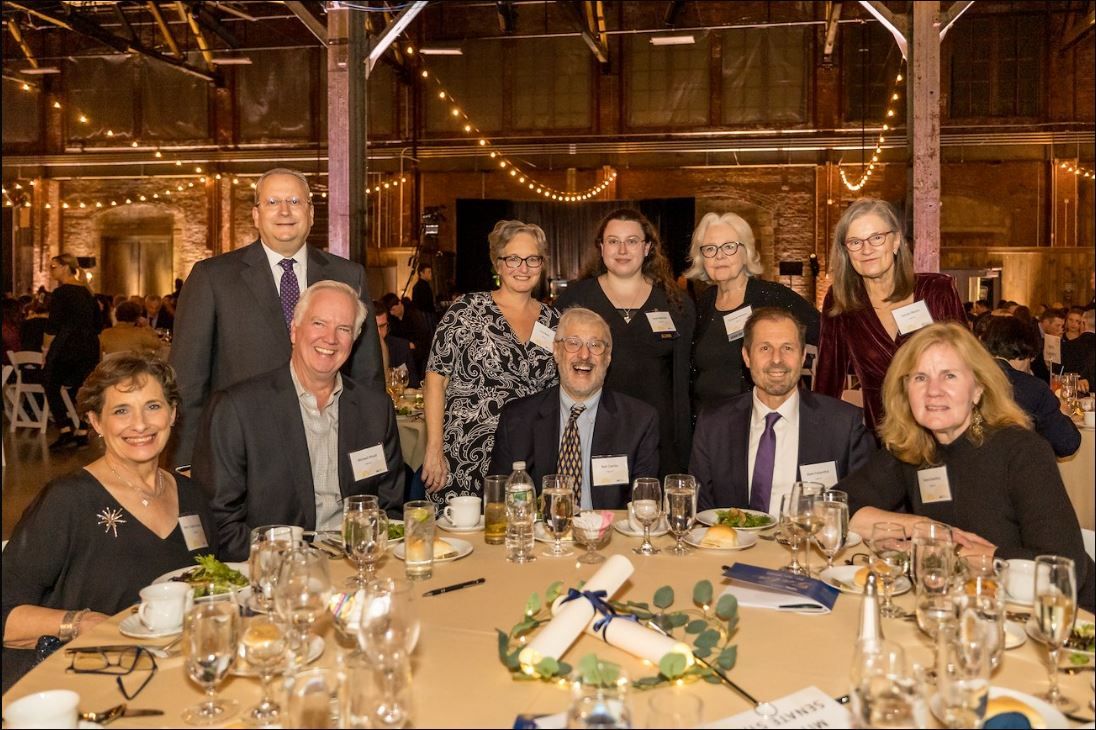
The Mitchell community — scholars, alumni, donors and friends — gathered at a recent gala. Sarah credits communities like this one with helping carry her through the hardest chapter of her doctorate.
That is Sarah Holbrook. The girl from Fort Fairfield. The first in her family to go to college. The scientist who sat across from families whose children had the diseases she was working to understand. The researcher who now sits on the other side of the clipboard. The woman who crochets little snakes and zebras and sends them to children who need something to hold on to.
And the fourth grader who noticed a boy who needed a reading buddy, sat down beside him and said yes.
She has never really stopped.
Sarah’s Story: A Mitchell Scholar’s Journey
Dr. Sarah Holbrook shares her story in her own words. This video was produced by FUJIFILM Biosciences as part of their Picture a Moment series, which celebrates the scientists and milestone moments shaping the future of research.