


 Maine Community Gathers for Annual Gala to Celebrate and Support Mitchell Scholars
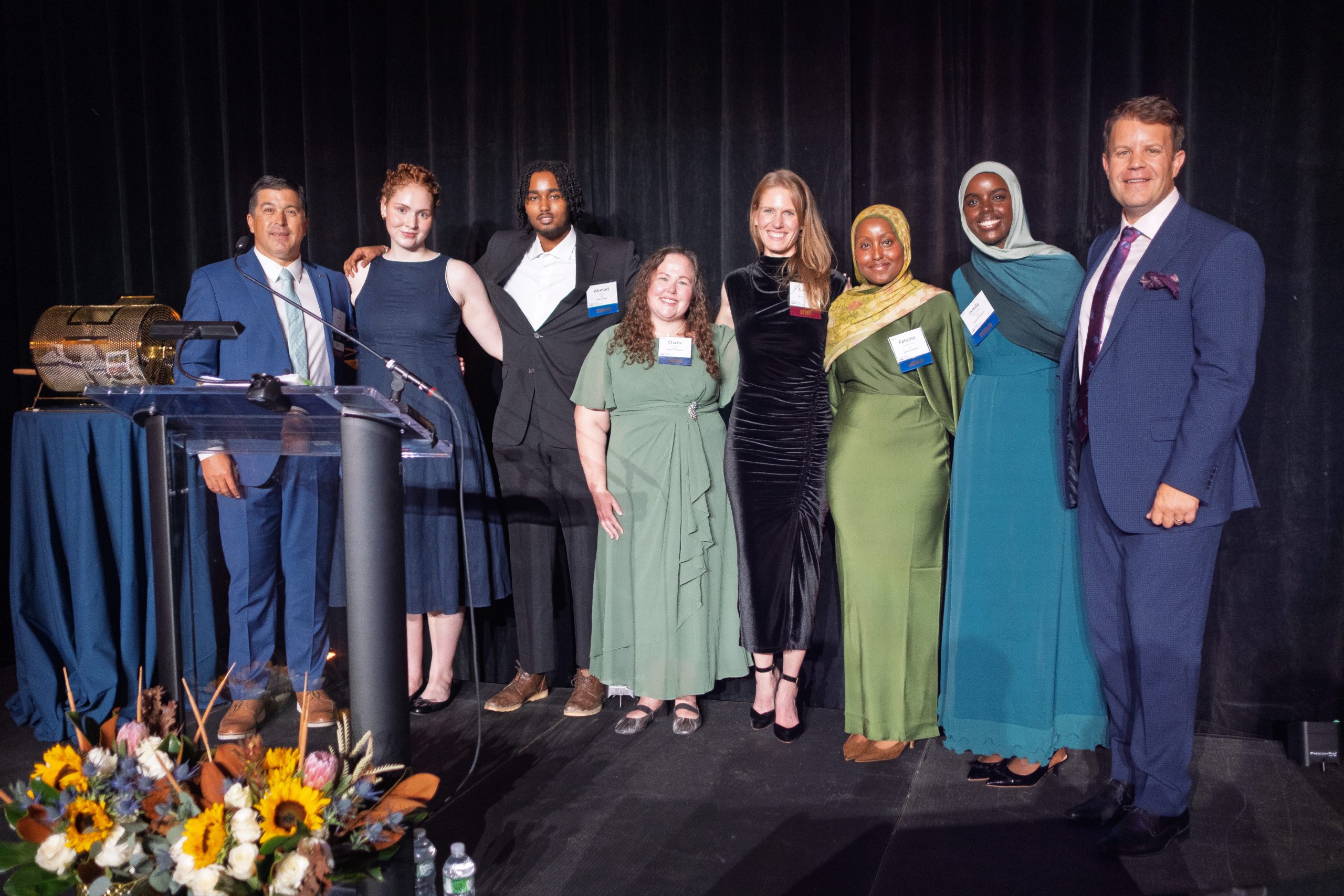
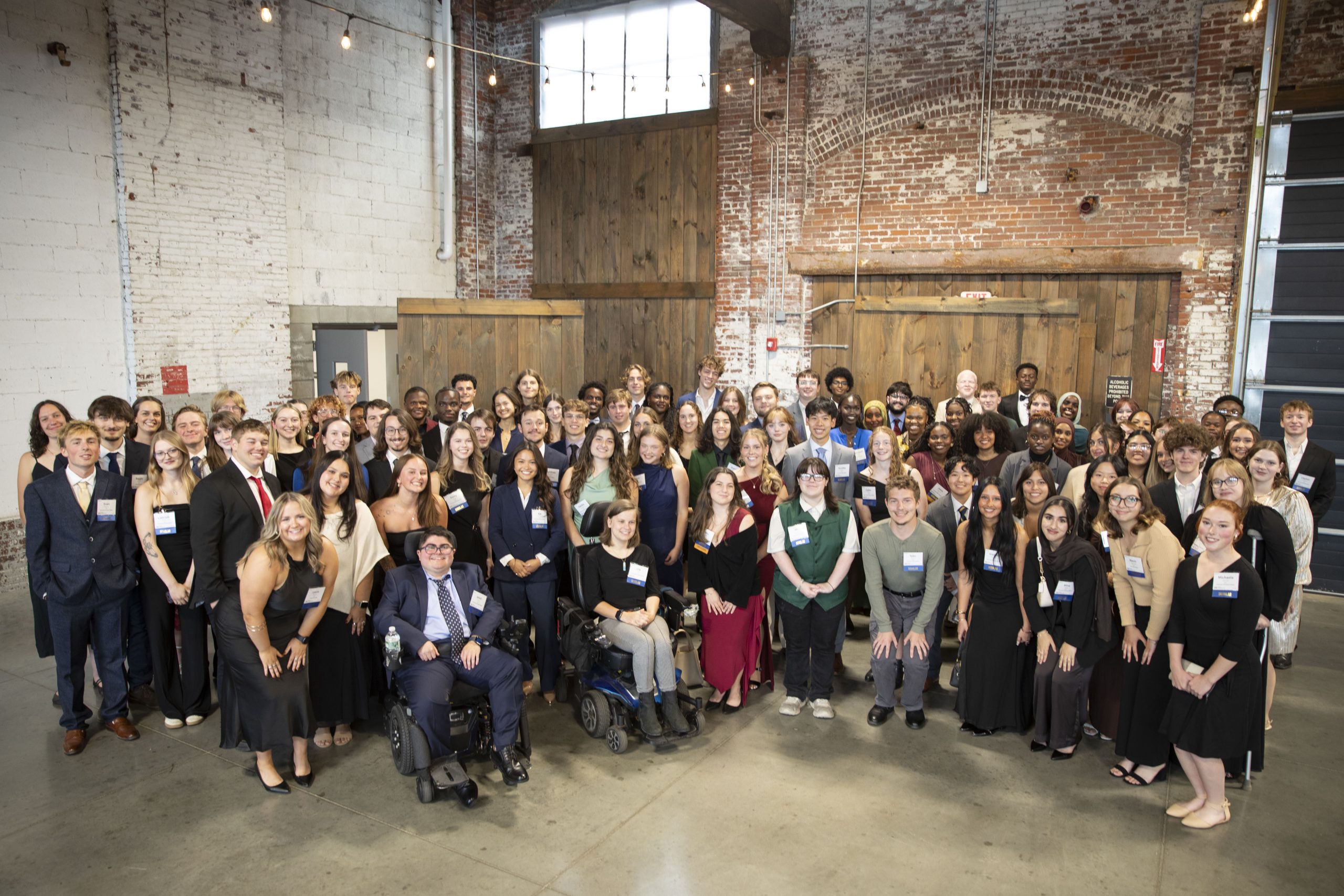
From left to right: Tony DiSotto, Gwyneth Adrian, Ahmednoor Hassan, Charis Loveland, Casey Near, Fatumo Abdirahman, Jamilah Mohamed, Jared Cash
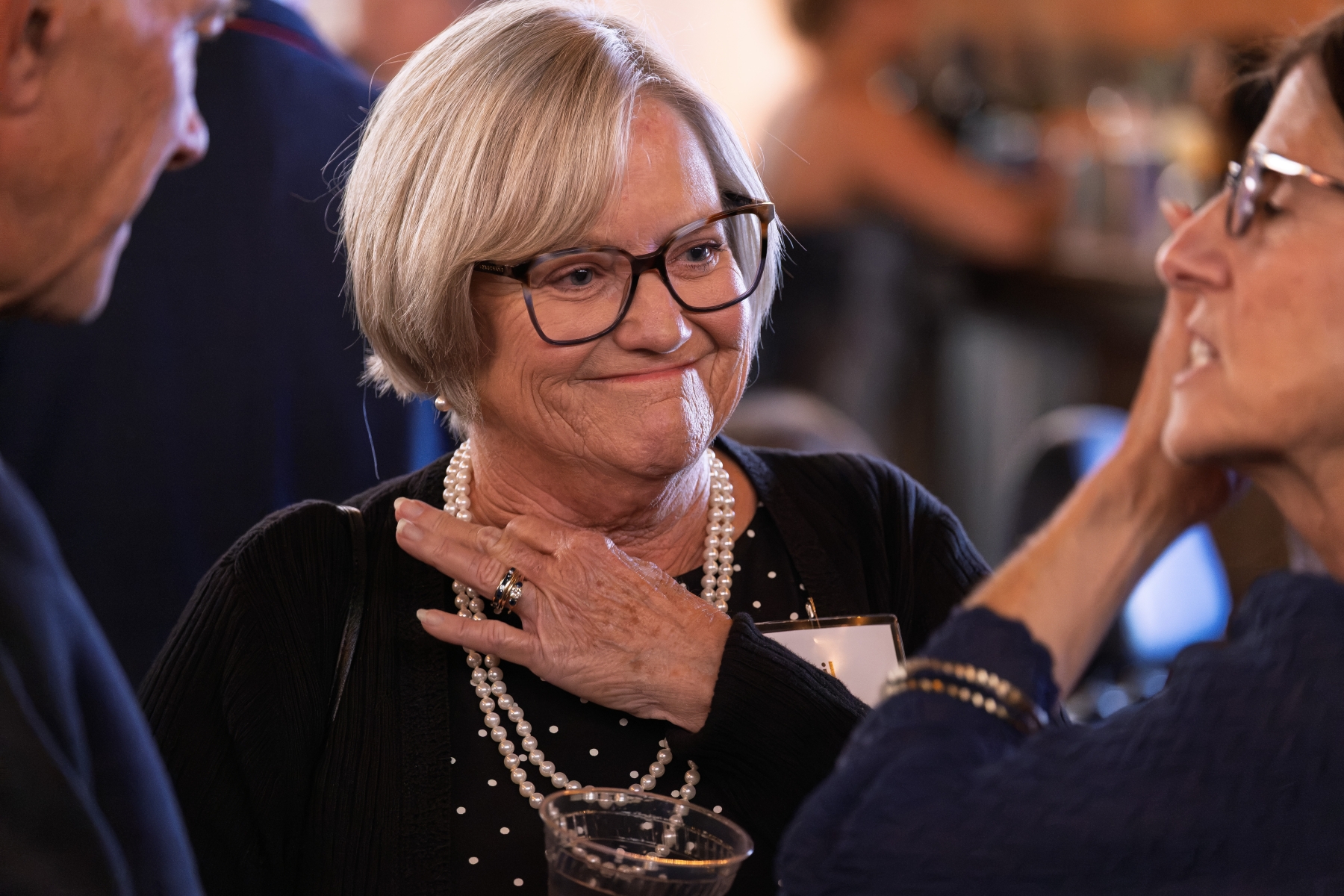
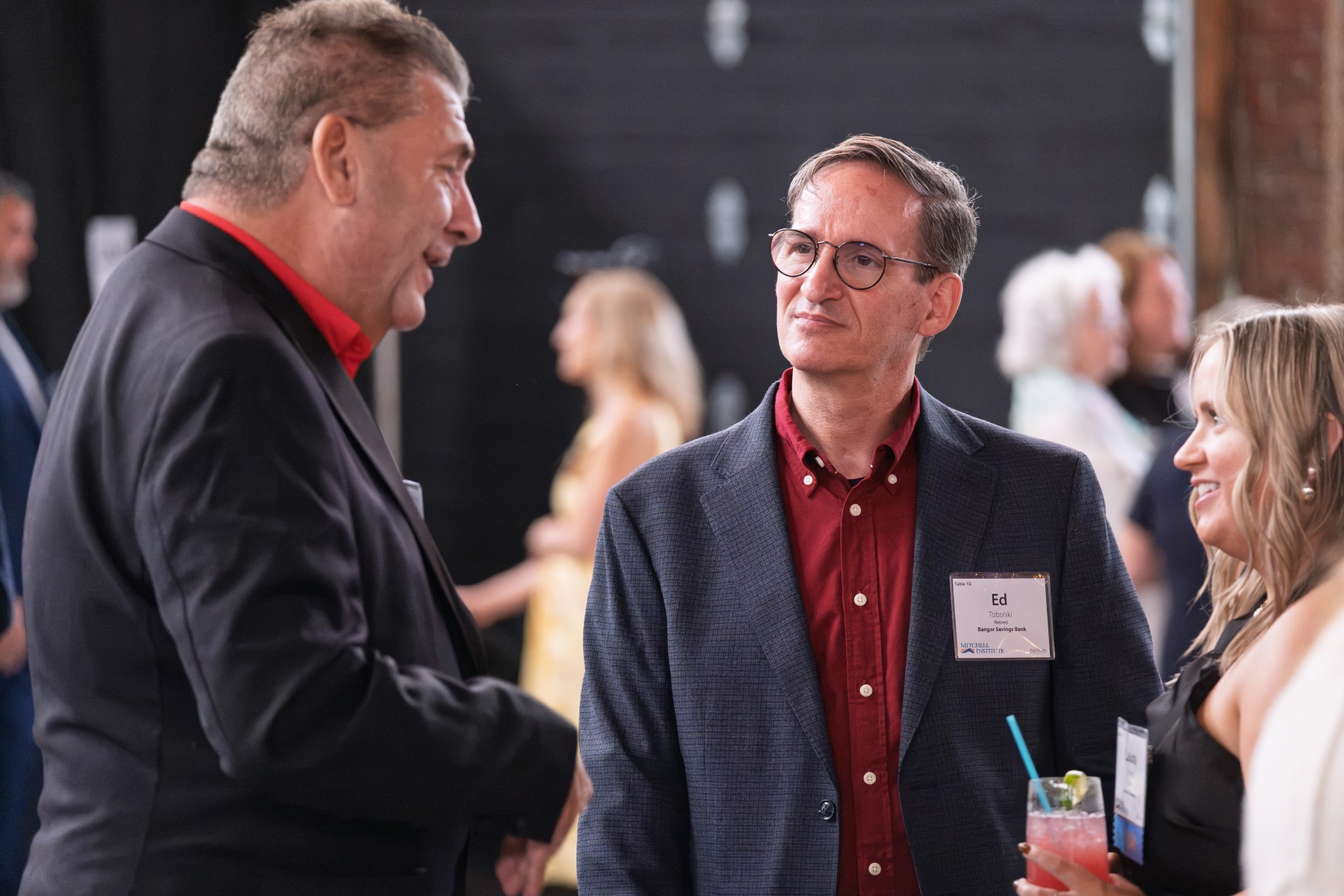
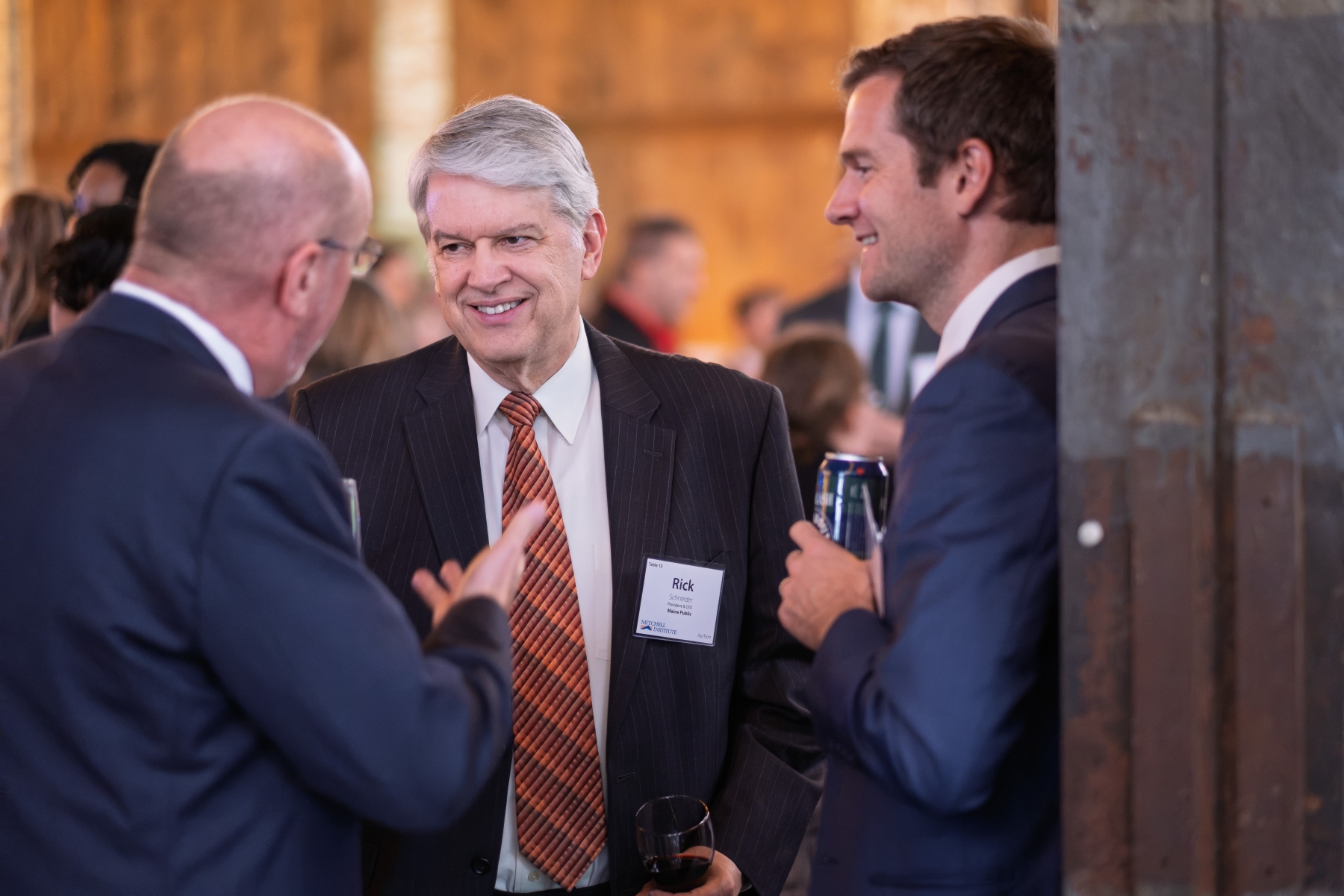
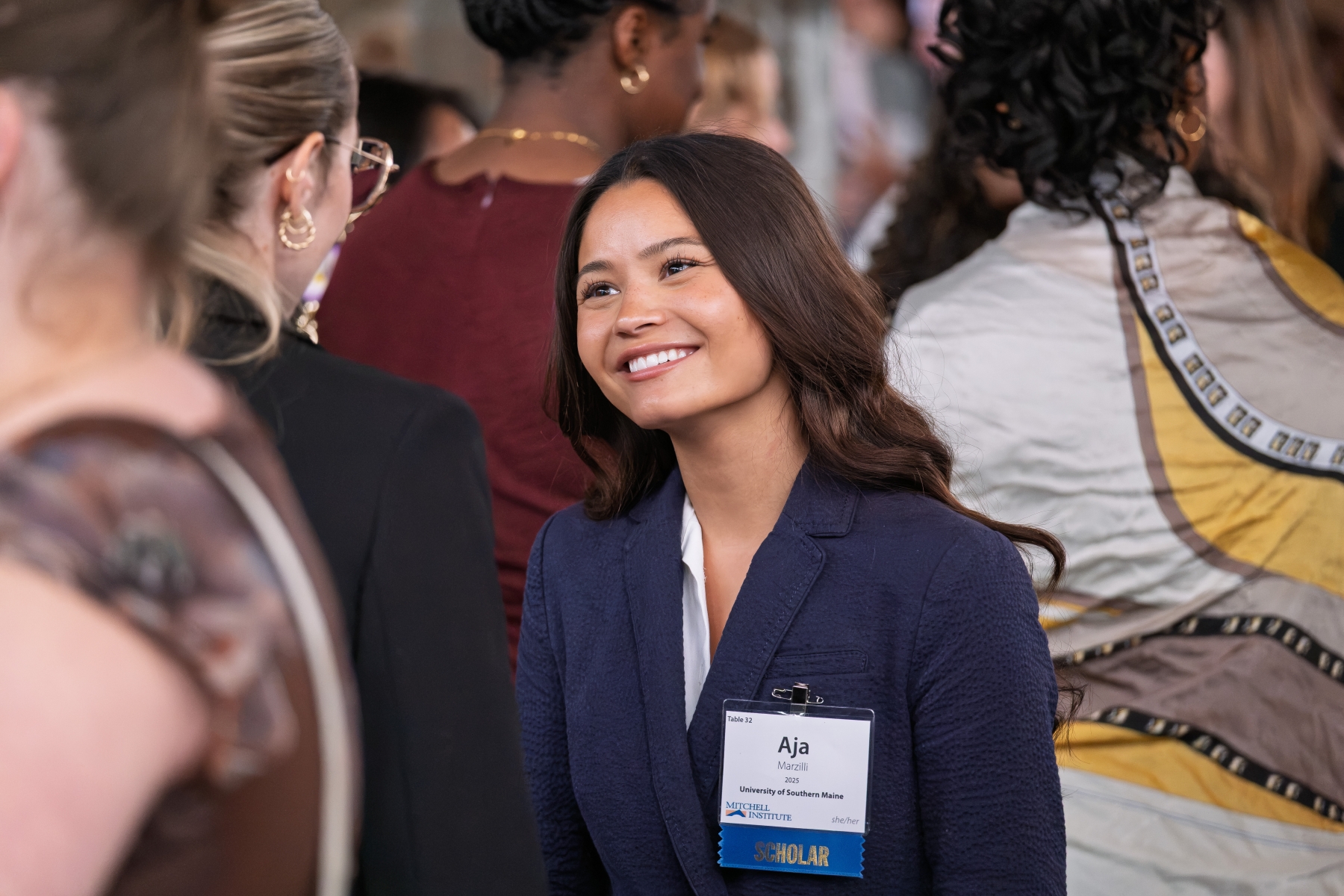
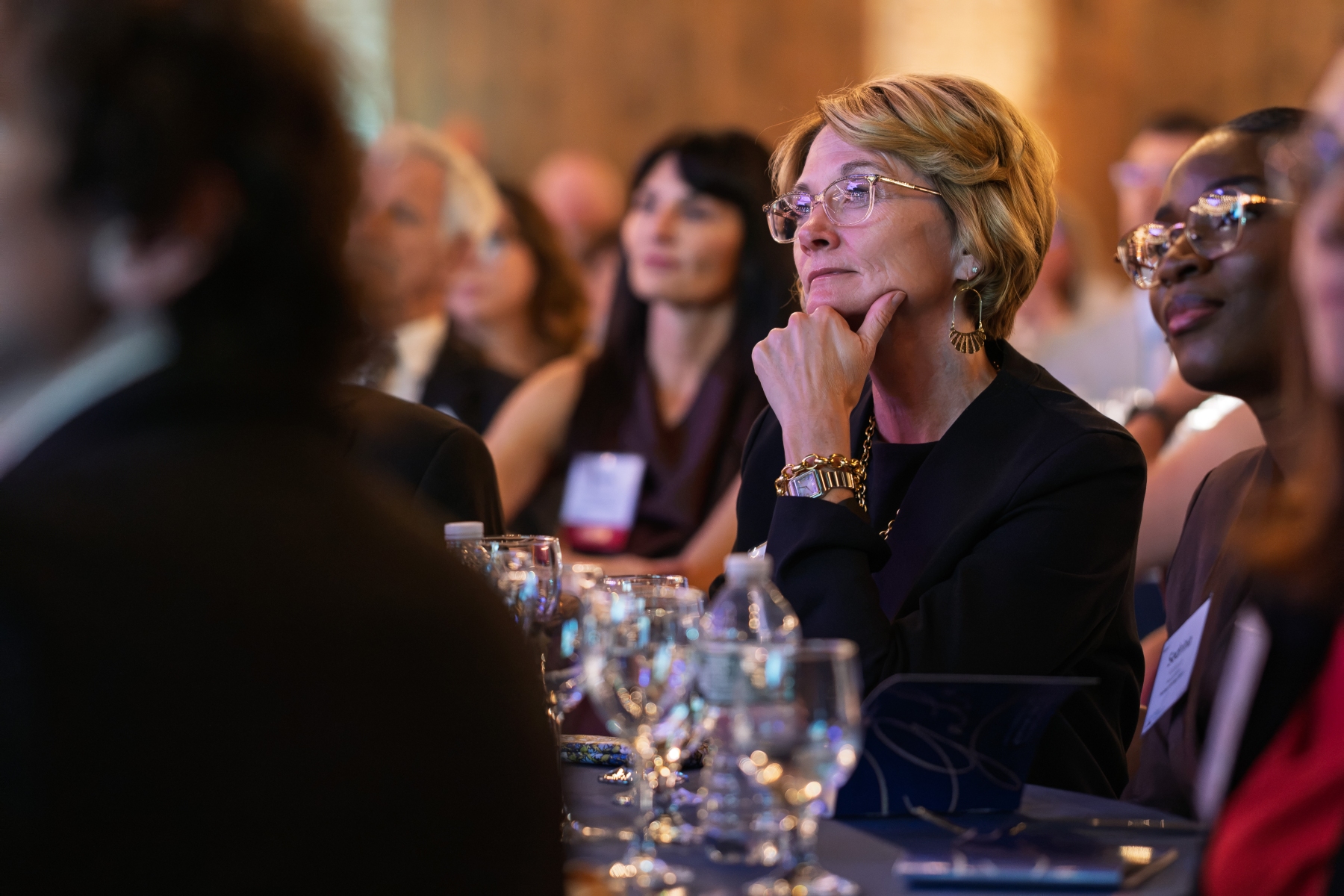
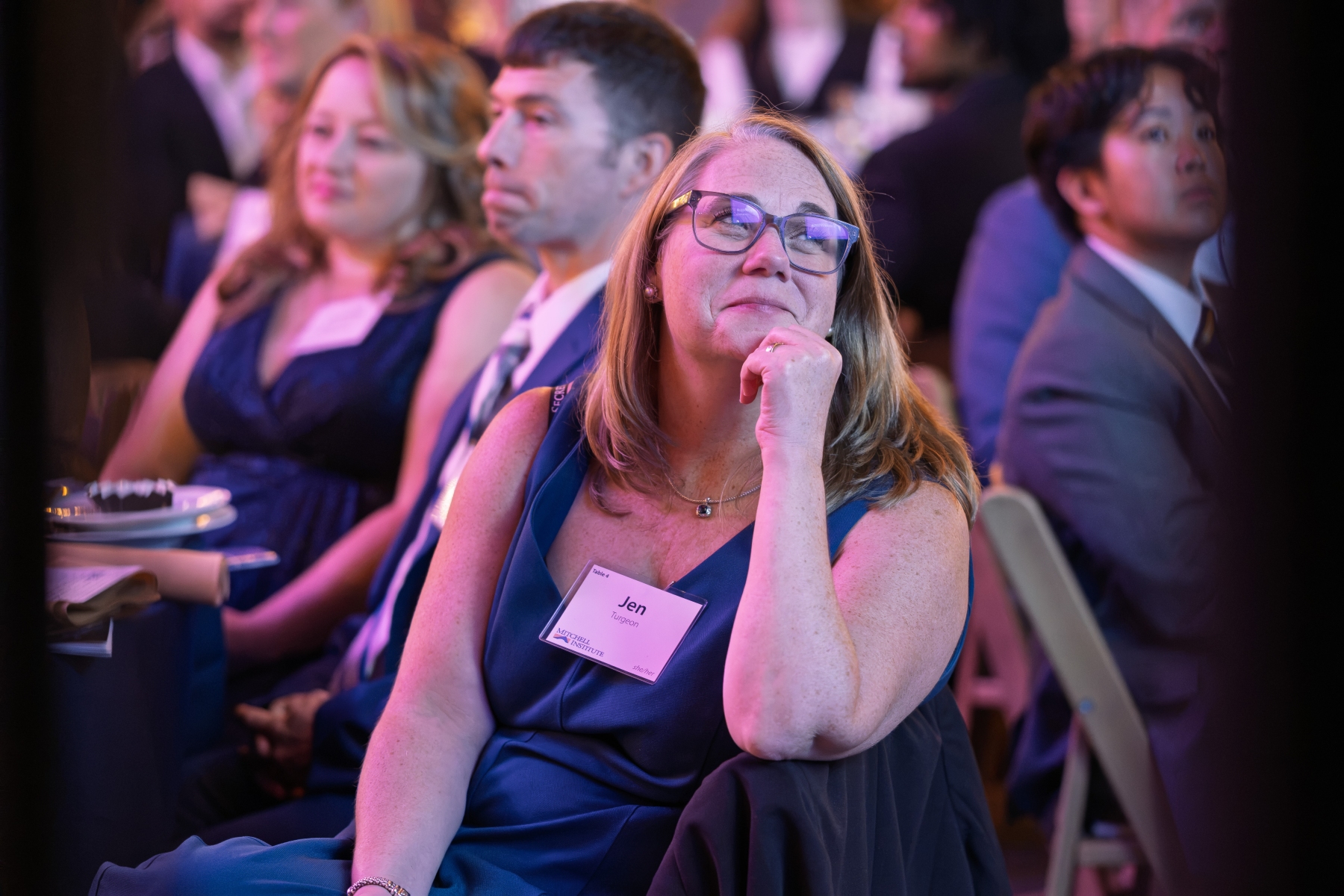
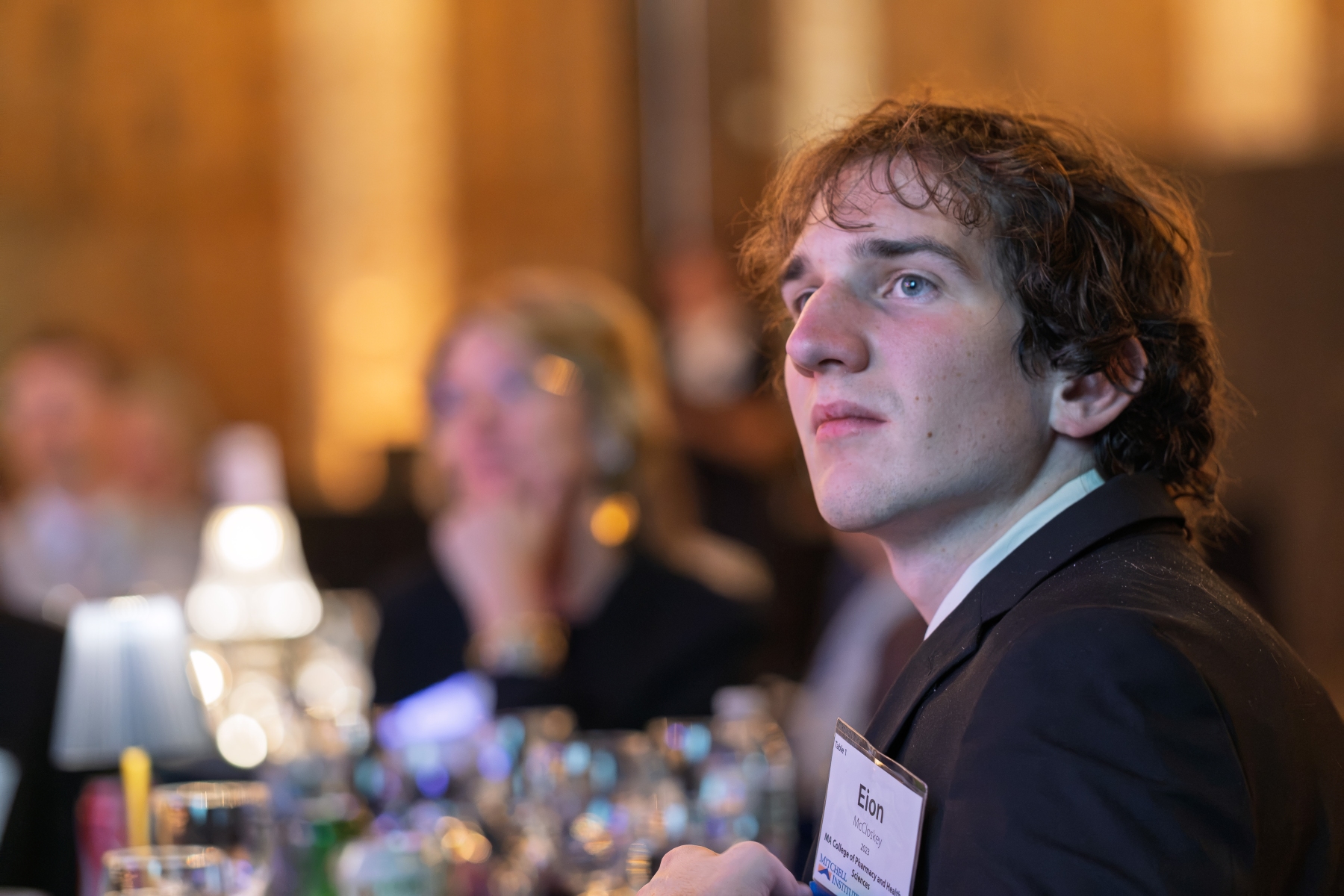
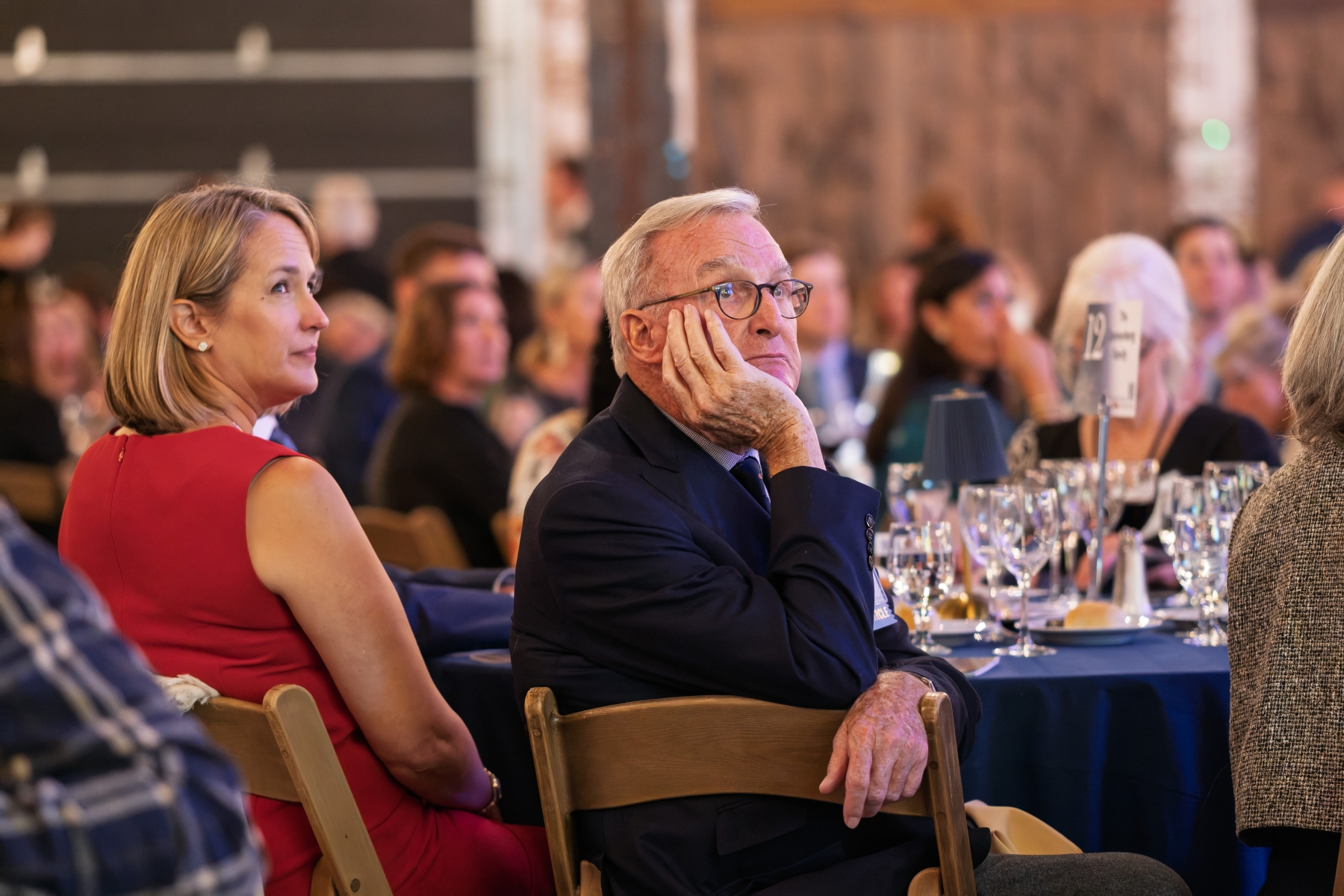
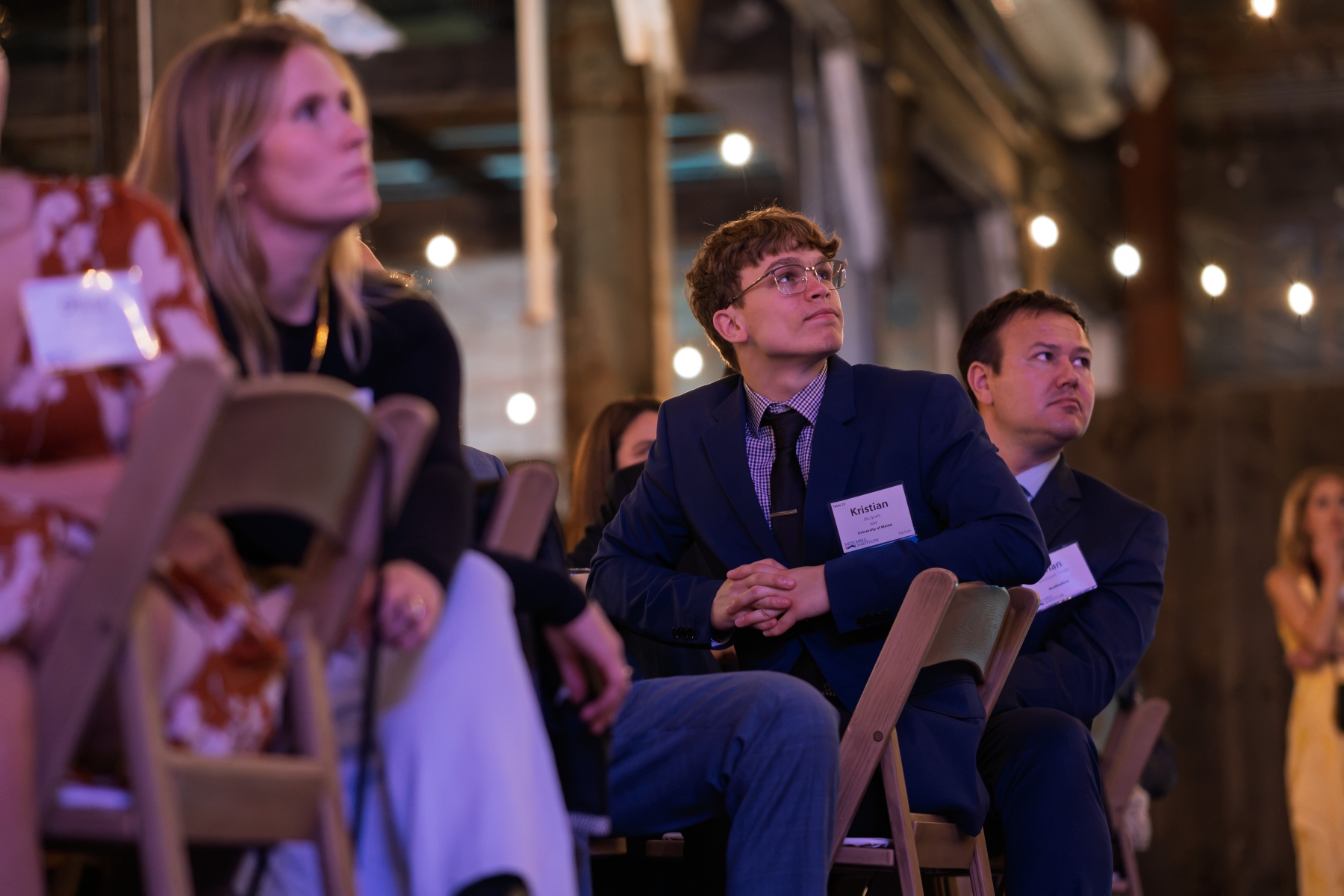
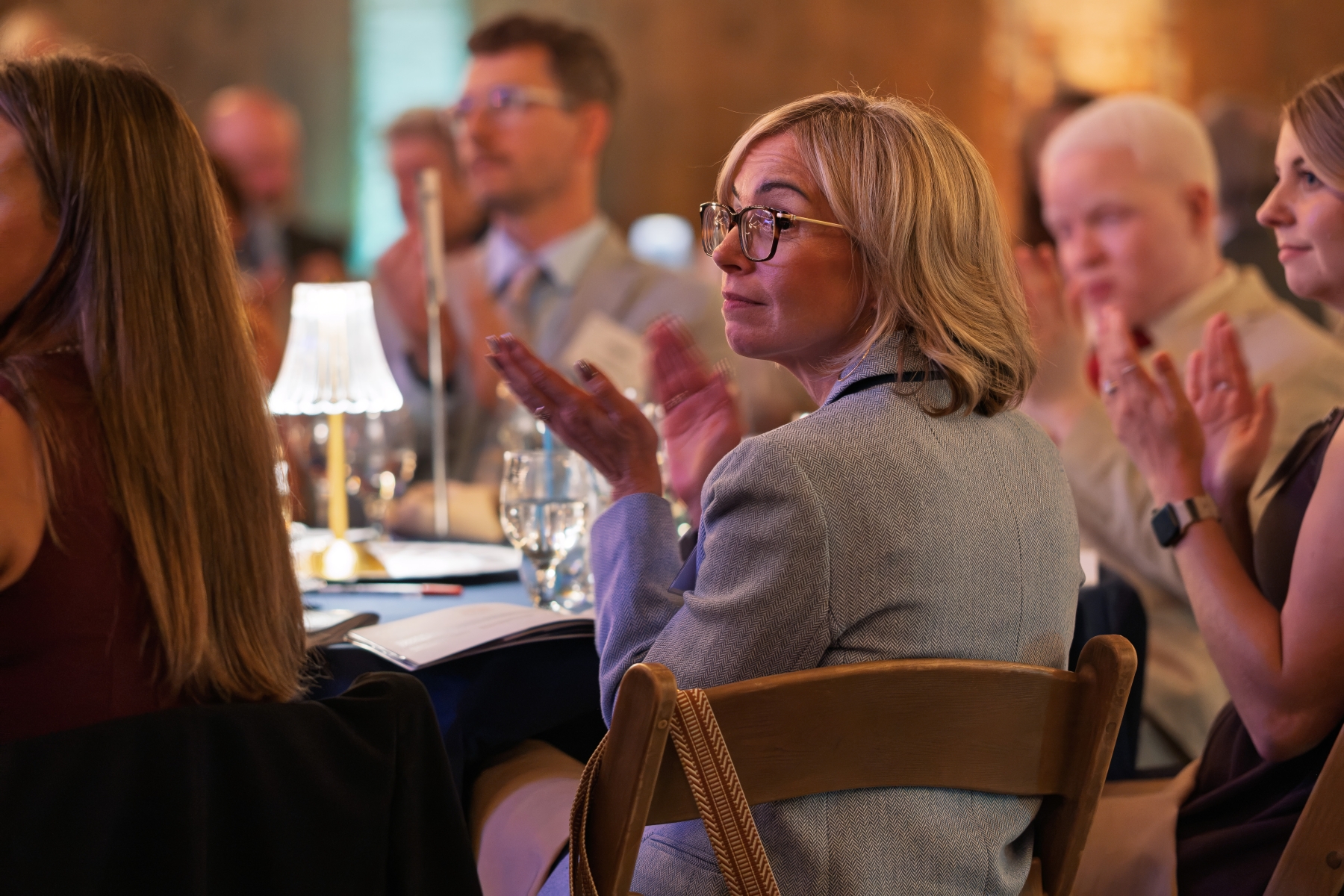
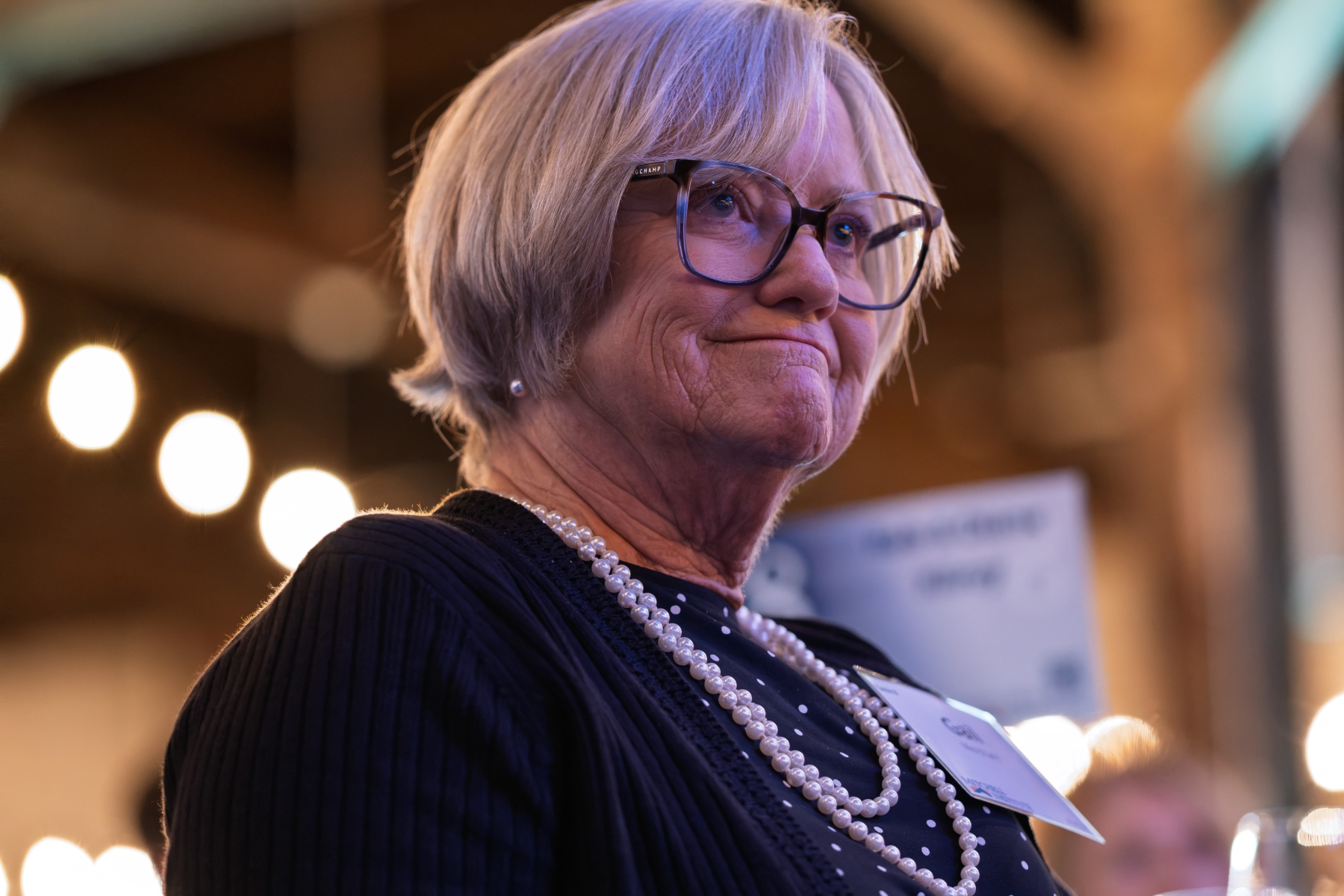
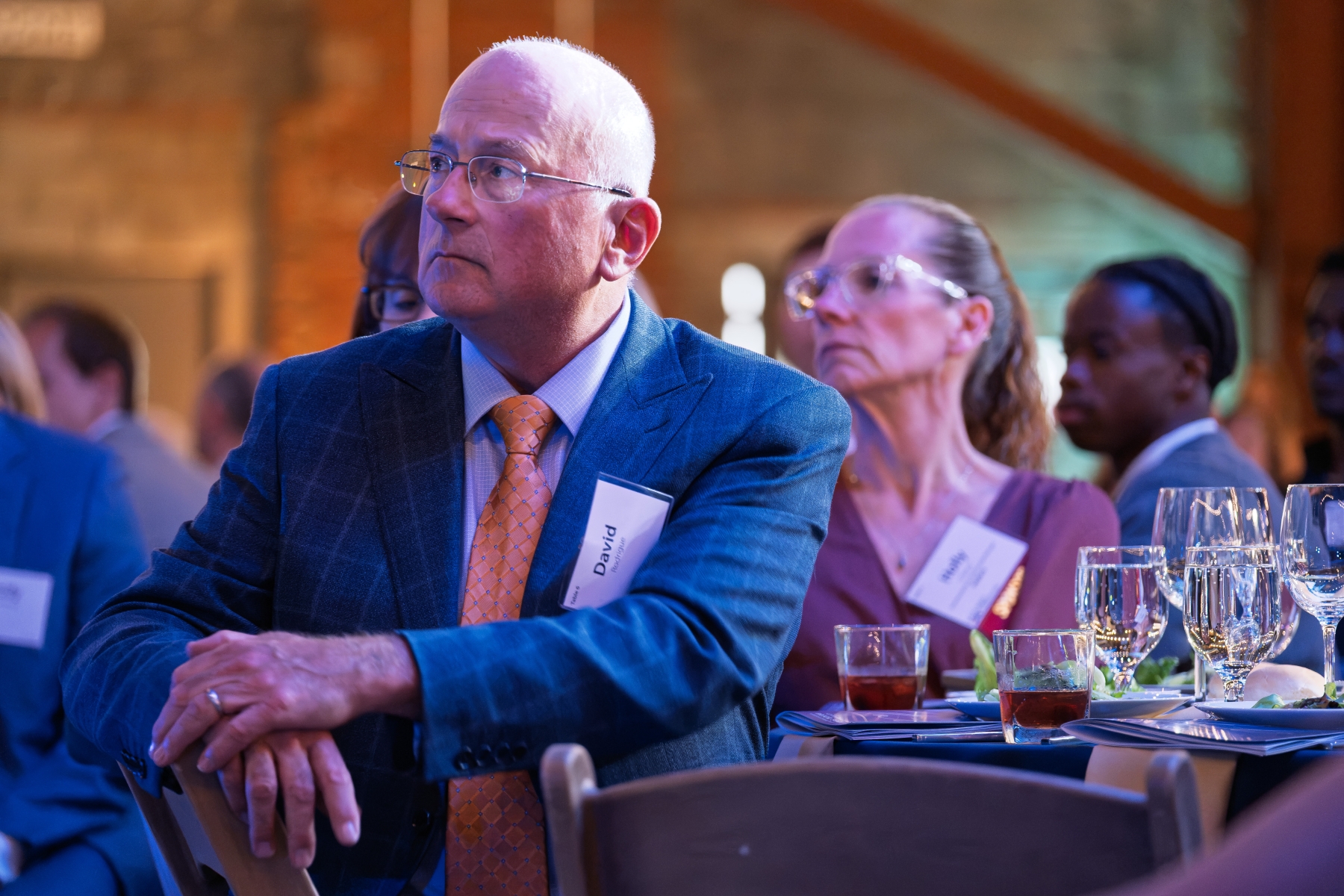
In a remarkable display of support for Maine’s next generation of leaders, more than 630 people gathered at Brick South at Thompson’s Point in Portland on Friday, September 25, 2026, for the annual Mitchell Institute Gala.
For more than 30 years, this event has brought together Mitchell Scholars, Alumni, and professionals from Maine’s business, education, and nonprofit communities for a celebratory evening of food and drink, networking, and inspirational stories. Over the span of five hours, guests enjoyed a bustling reception, conversed with Scholars over a plated meal, and listened to compelling remarks from Scholars and Alumni—all while supporting the Mitchell Institute’s mission of ensuring that students from every public high school in Maine have the resources they need to fulfill their dreams of a college education and develop their career paths.
Scholar Preparation
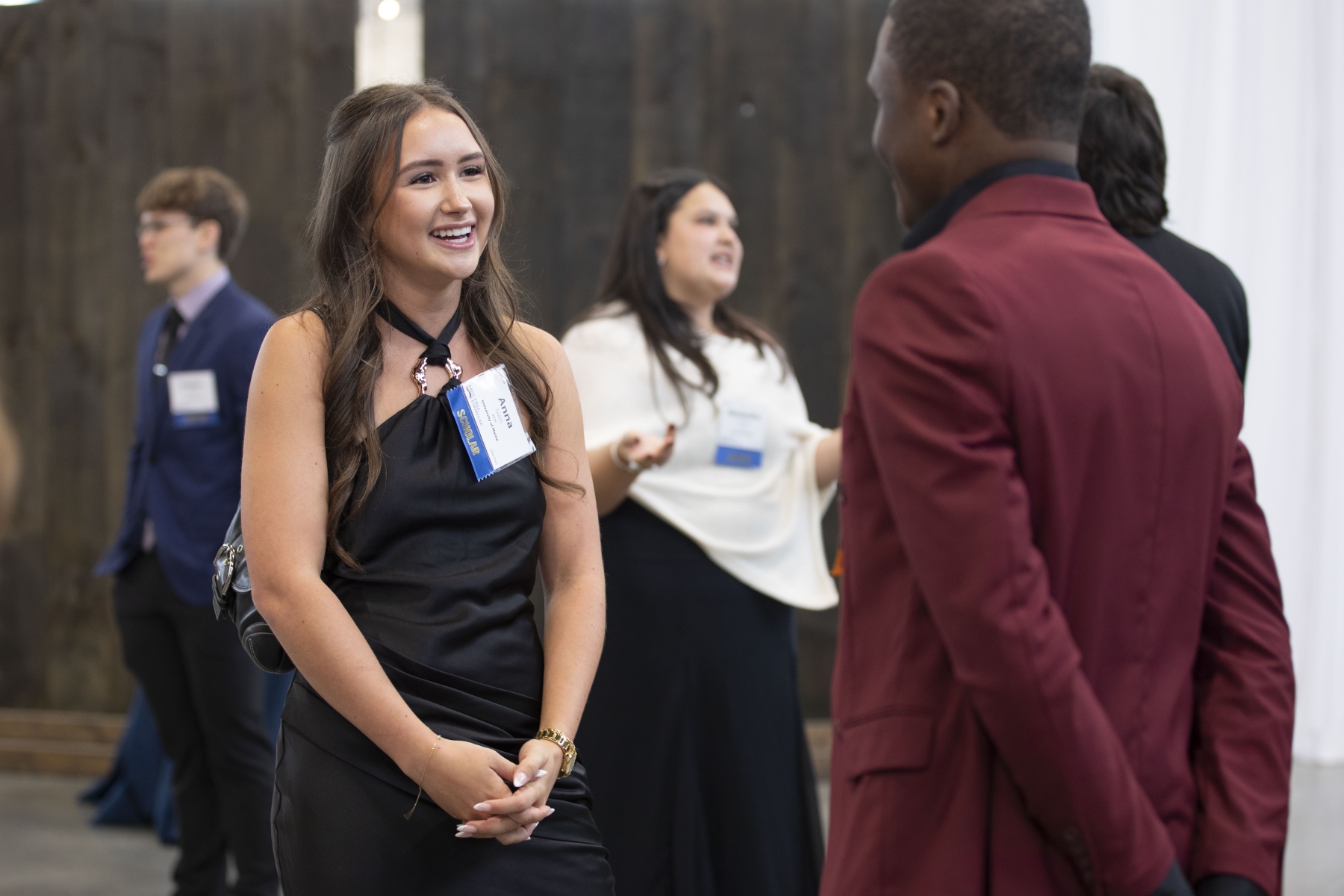
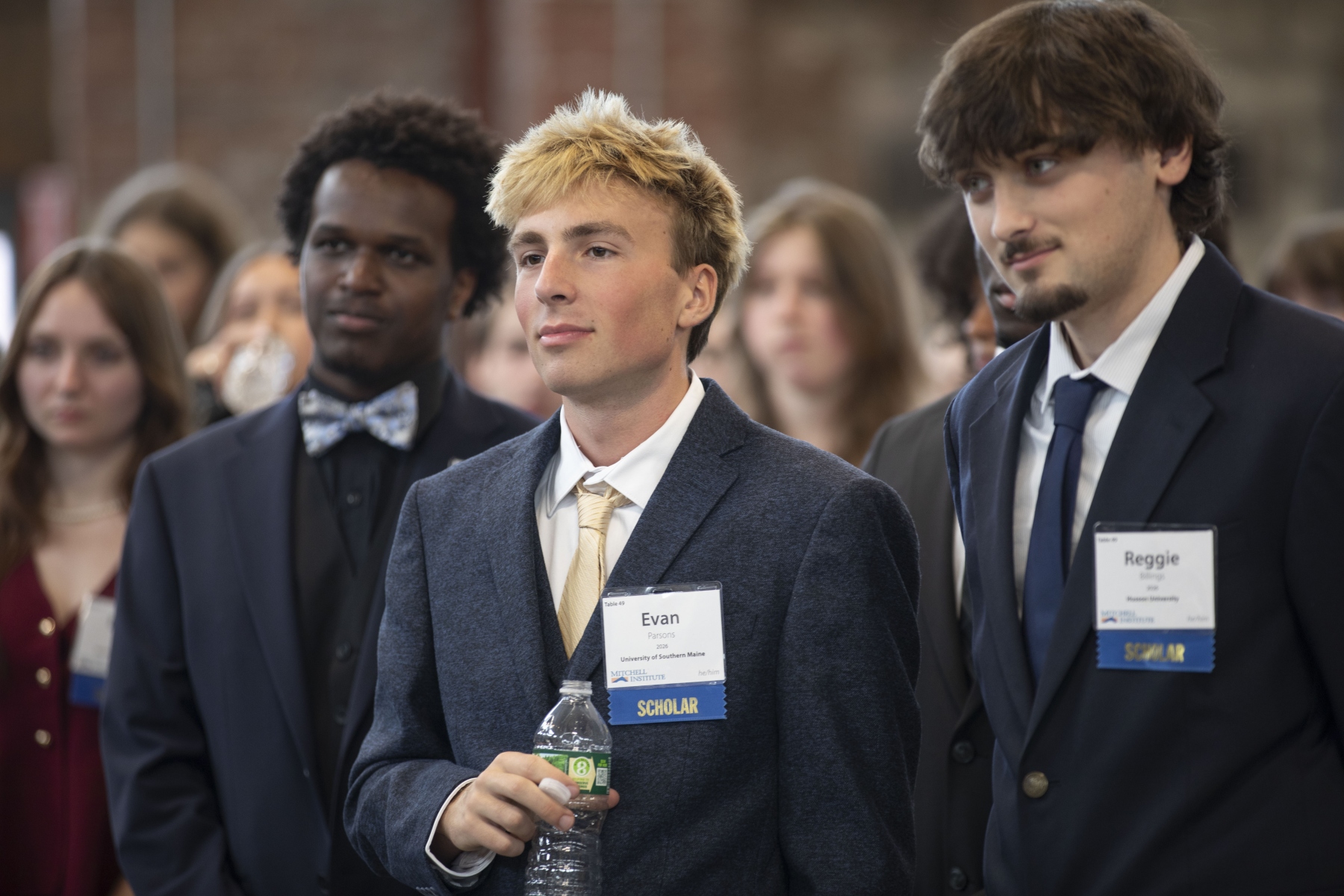
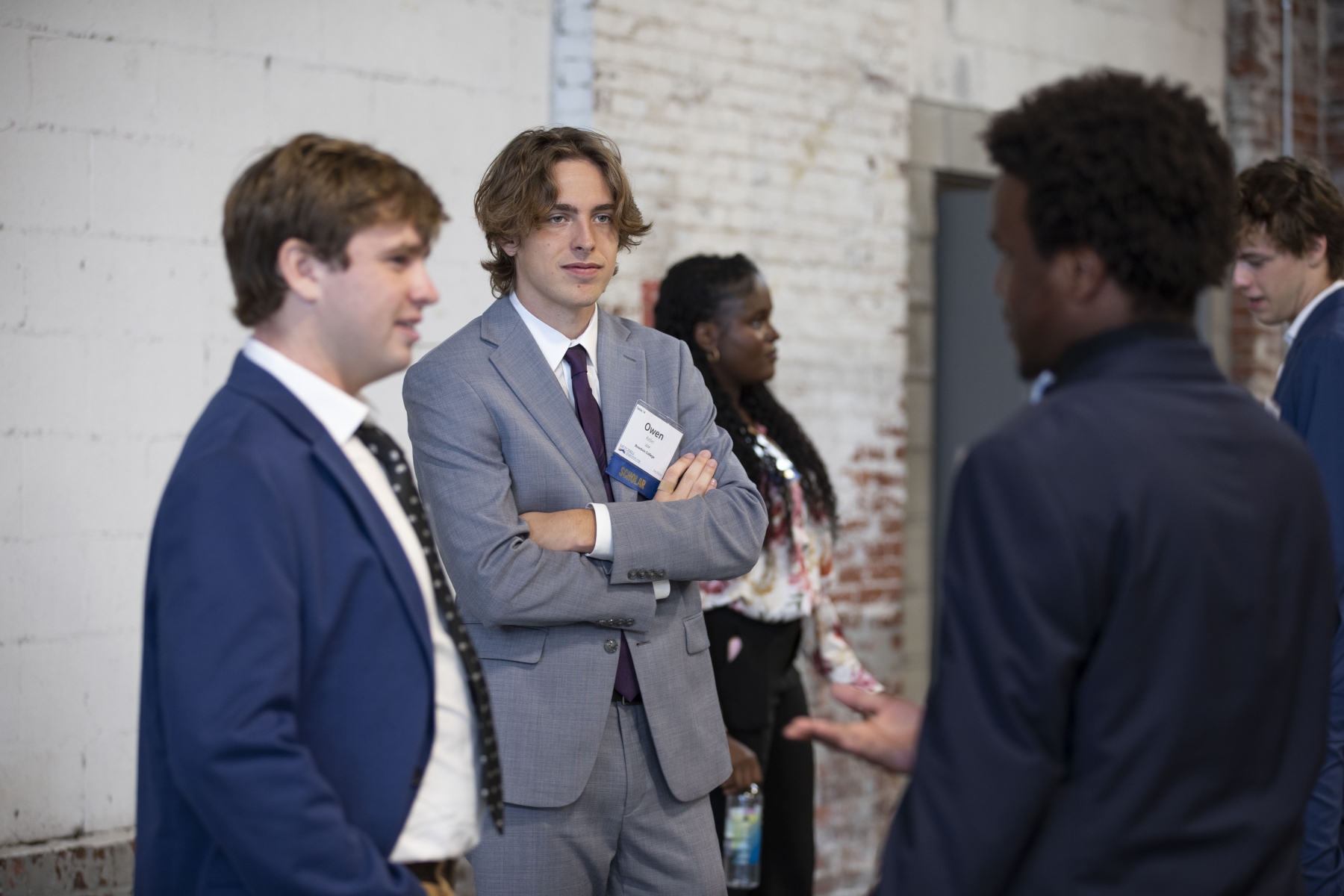
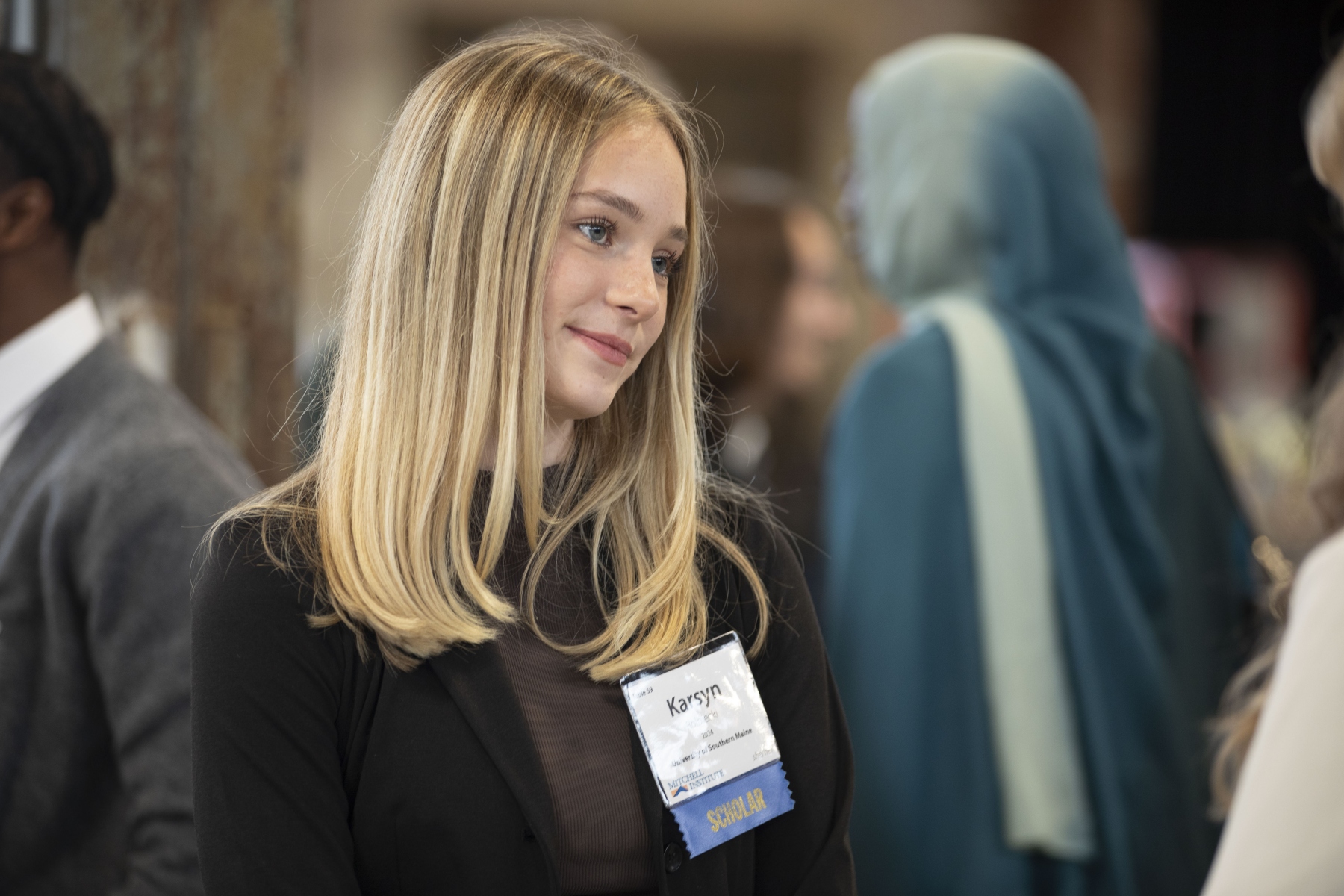
In total, 111 Scholars attended the Gala on Friday. Many of them arrived at Brick South early to prepare for the evening with Casey Near, Mitchell Institute Scholarship Director, and Elyse Pratt-Ronco, Mitchell Institute Scholar Support and Research Manager. In a group setting, Near and Pratt-Ronco discussed some of the topics of conversation that Scholars might encounter throughout the night and provided guidance on how to engage with guests. Scholars then broke into groups by college and/or college region to practice, calming their nerves and sharing some laughter among peers.
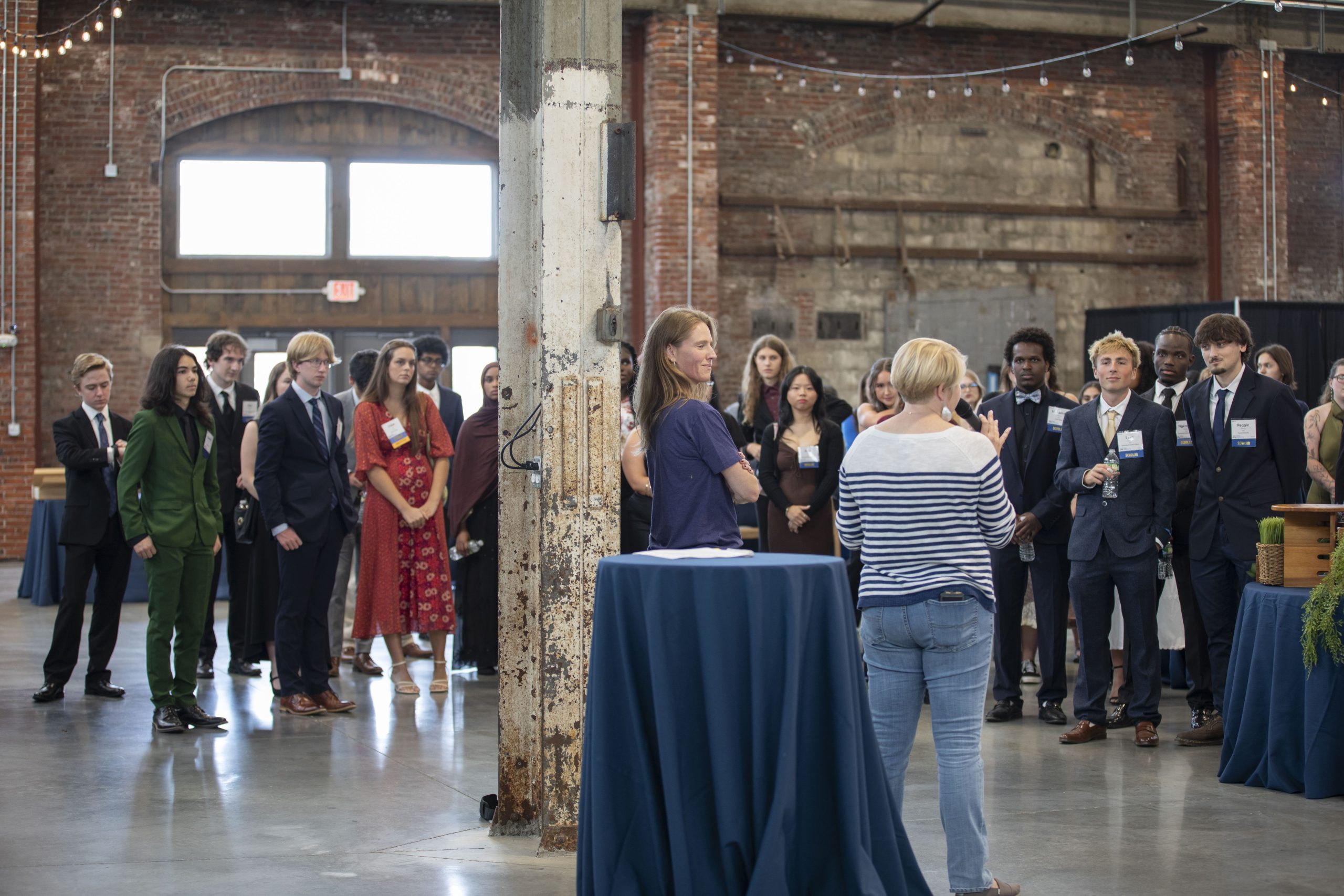
At one point, Near shared some trivia about the Mitchell Scholarship, in case Scholars received questions from guests:
-The scholarship totals $10,000, and Scholars are selected based on academic promise, community impact, and financial need.
-There are approximately 800 Scholars currently in college.
-The college campus with the largest volume of Scholars is the University of Maine with 146 Scholars.


The Reception
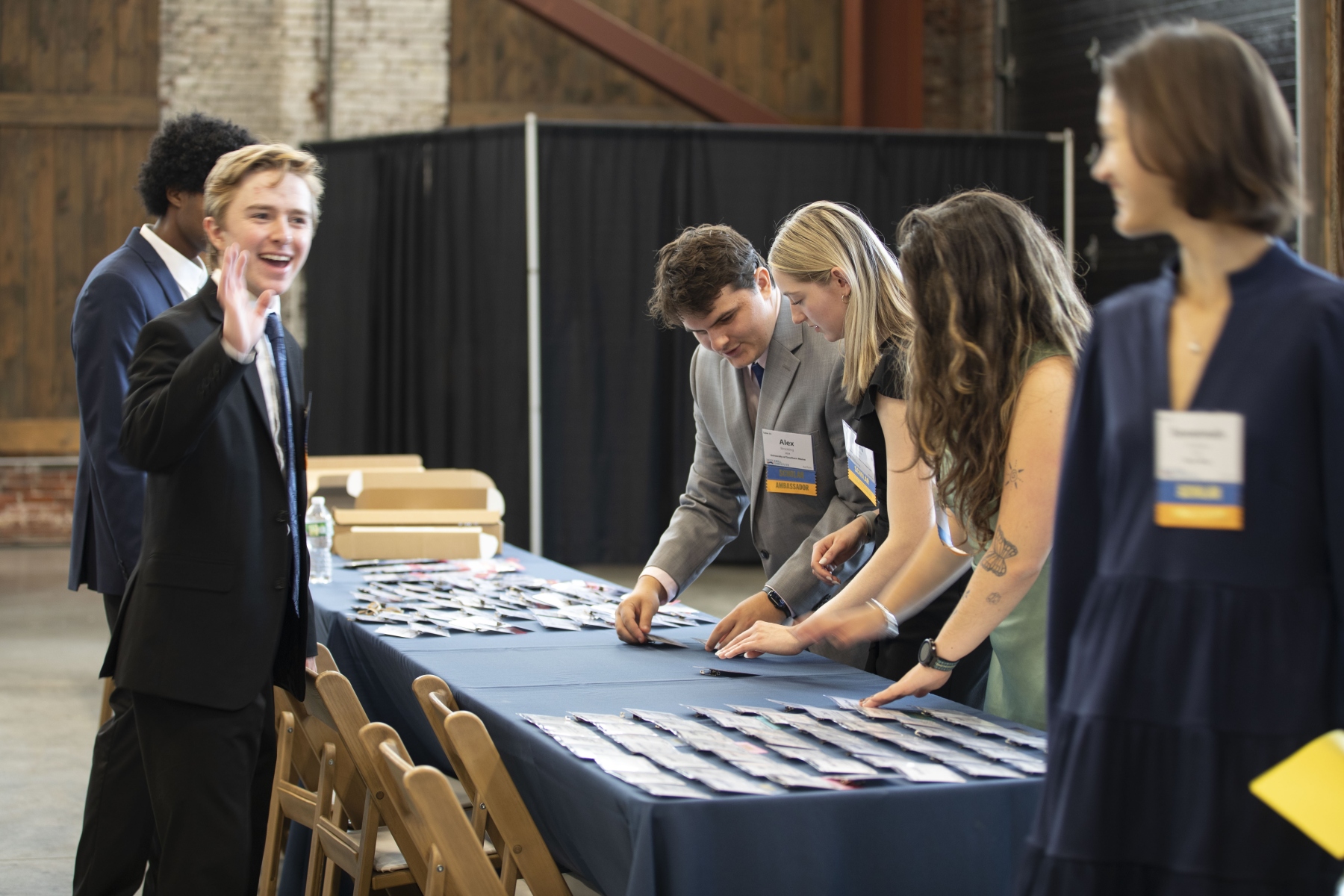
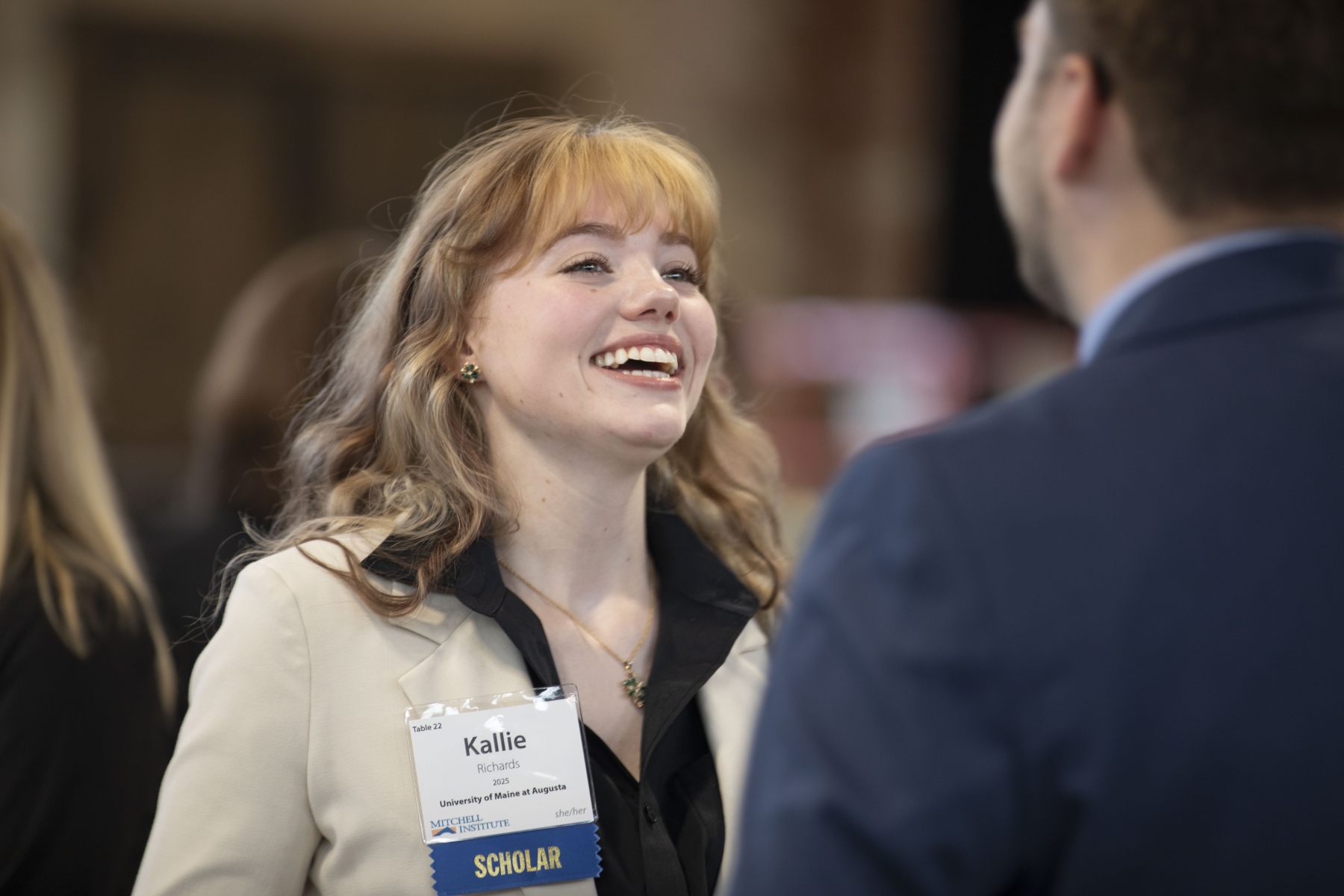
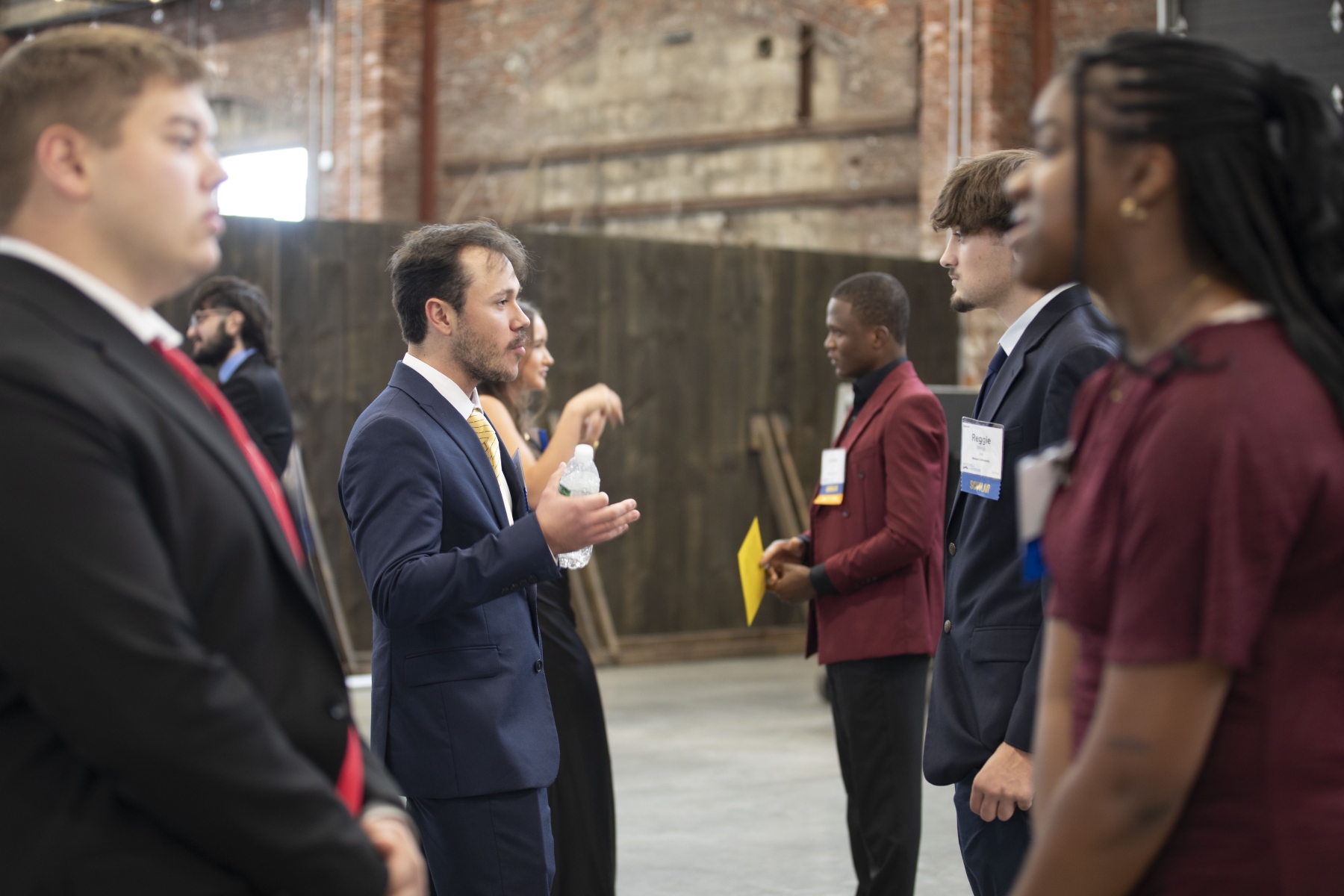
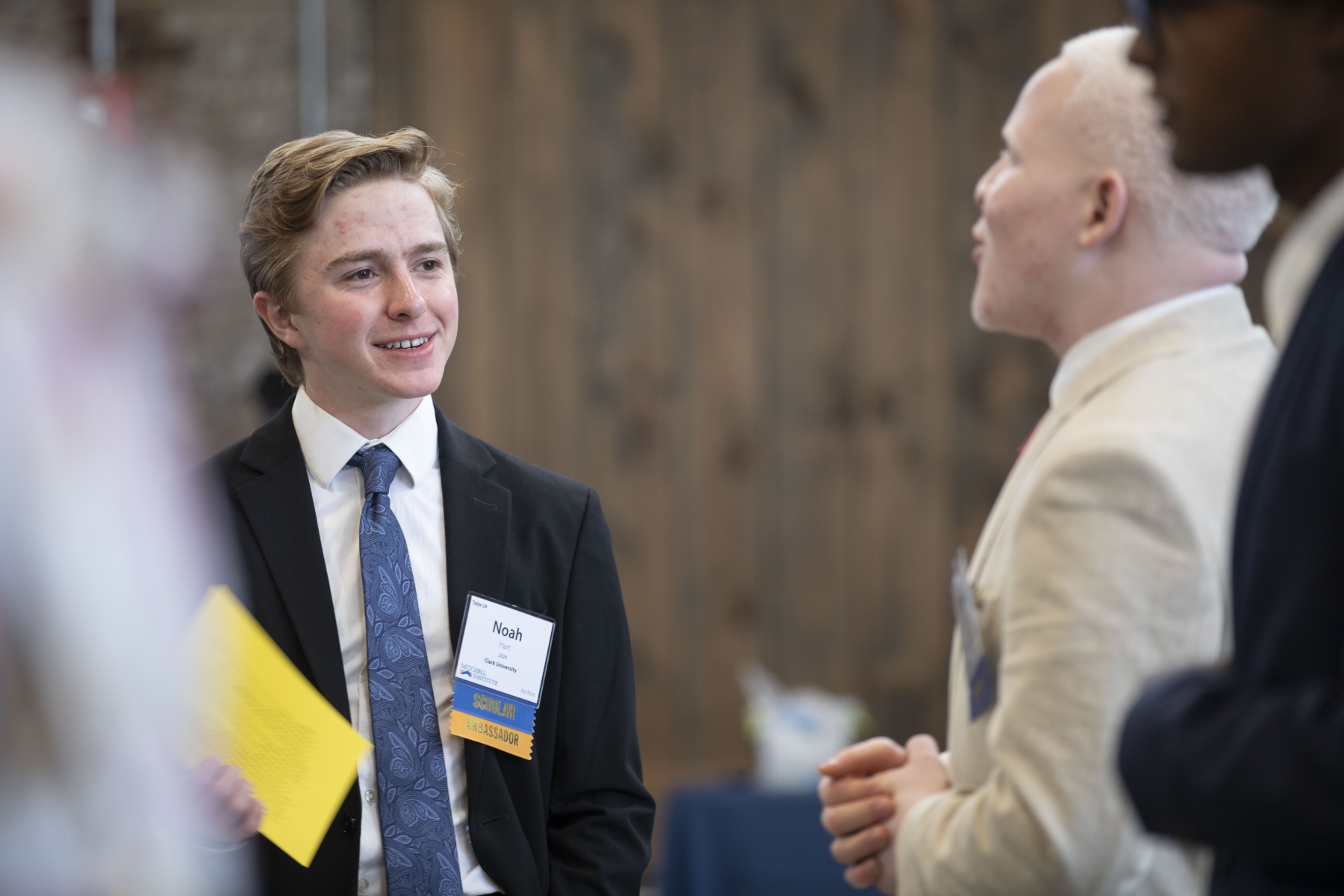
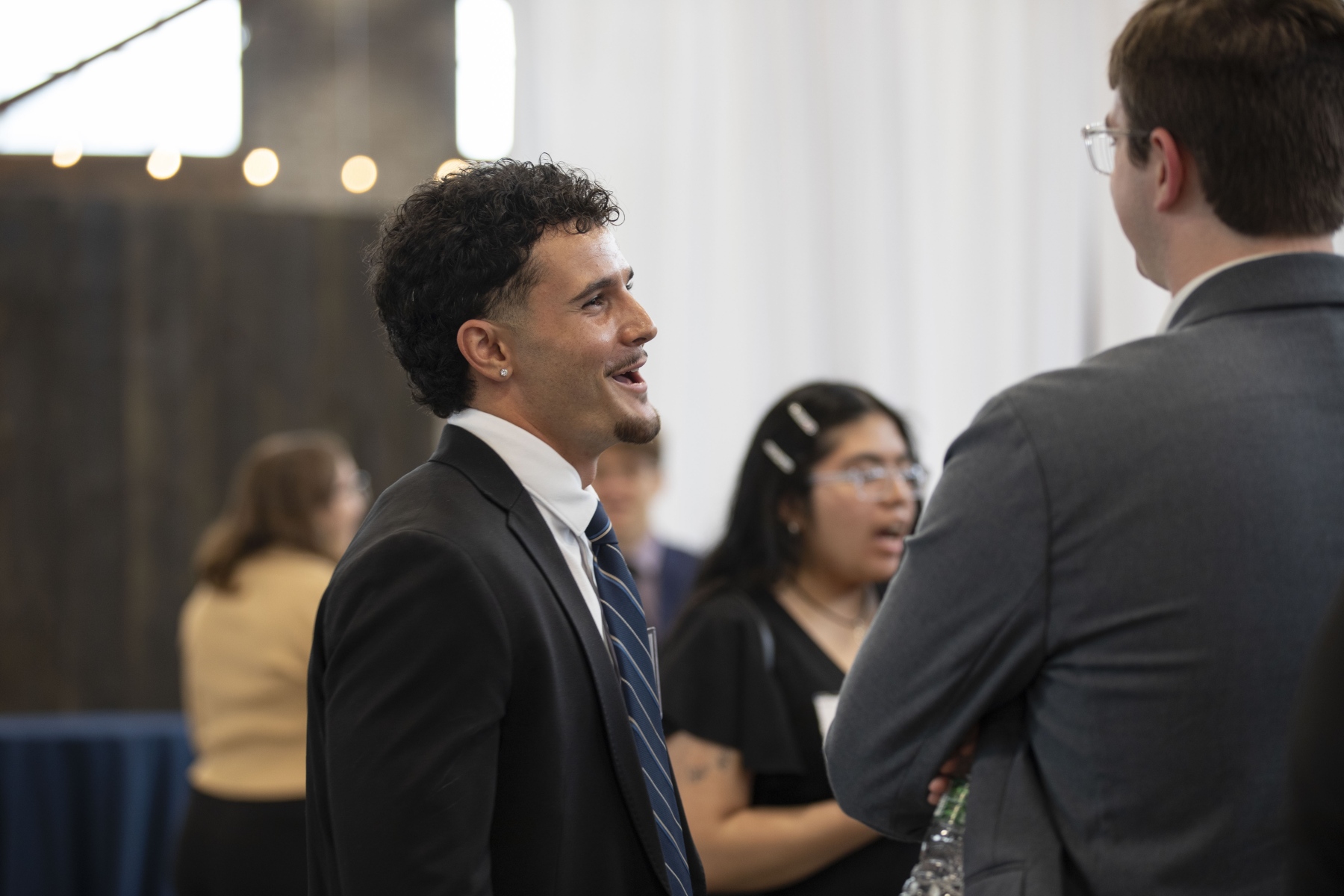
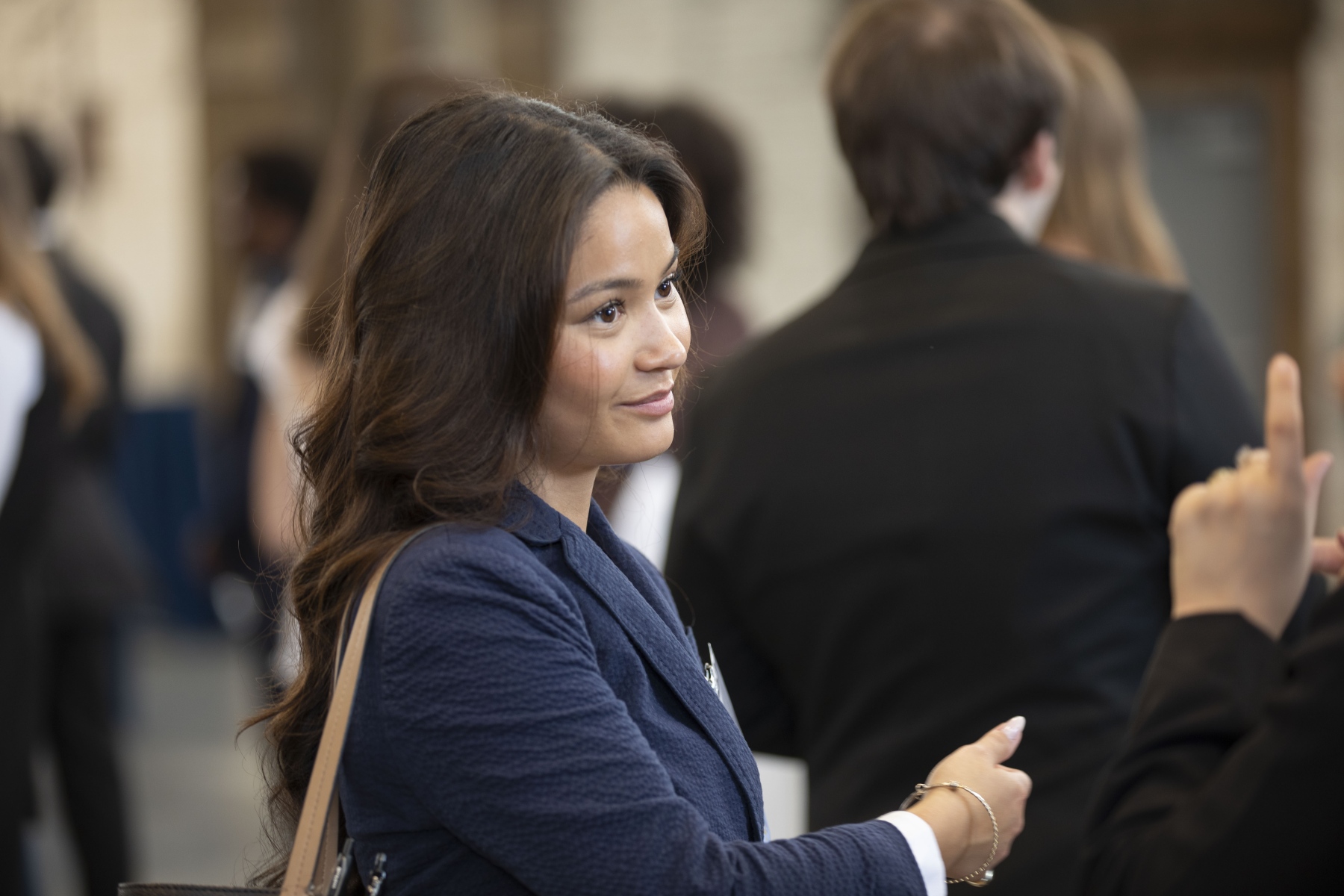
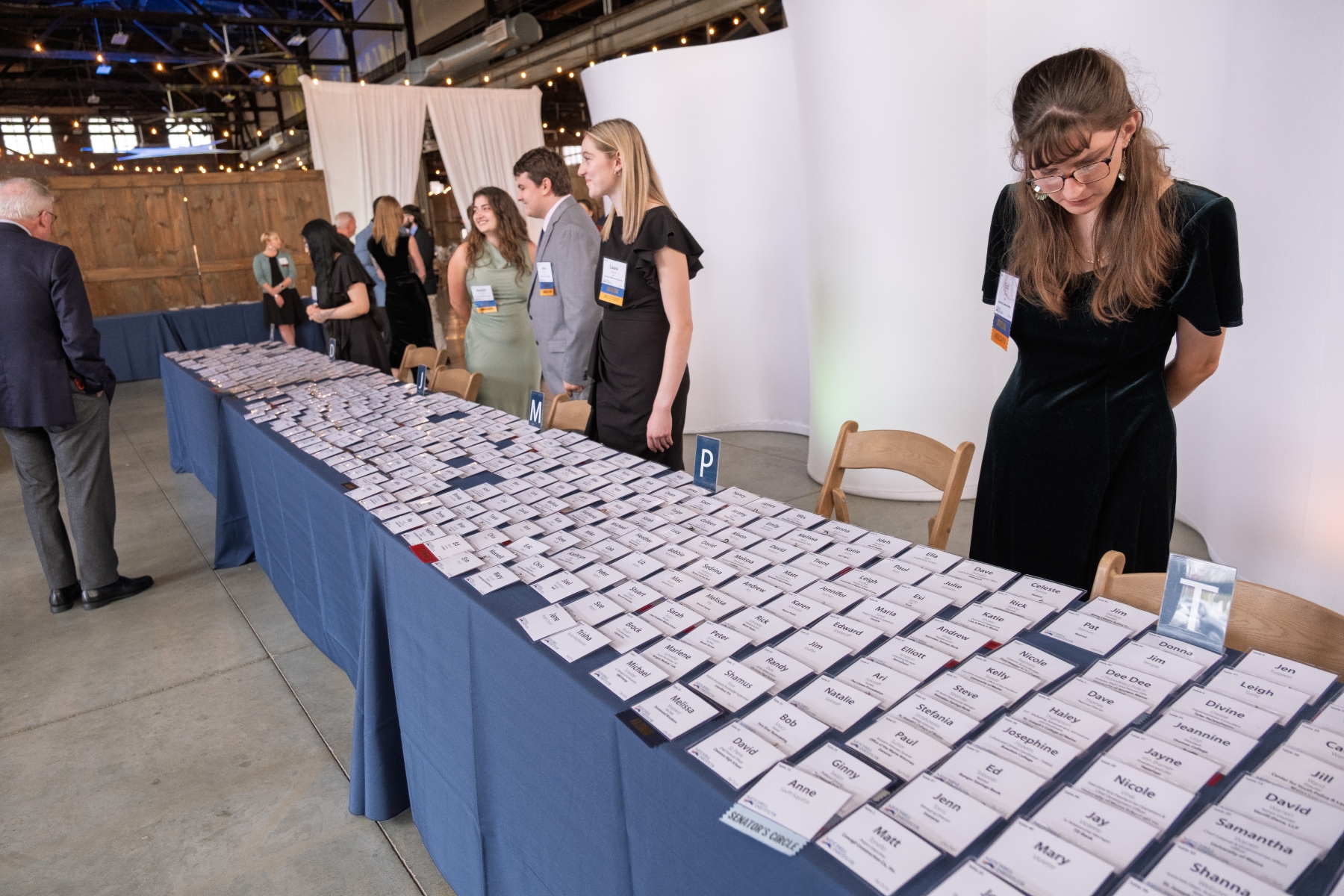
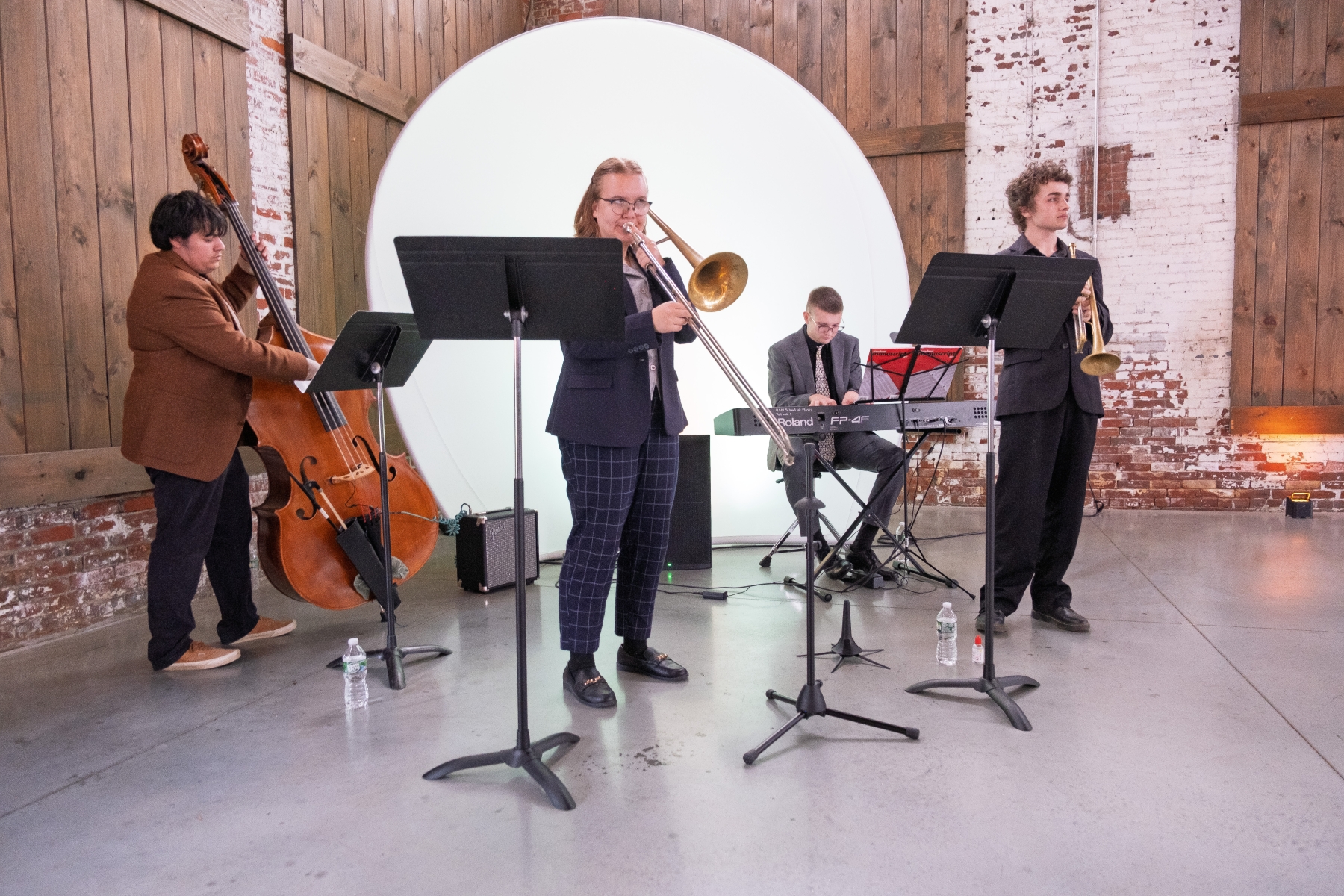
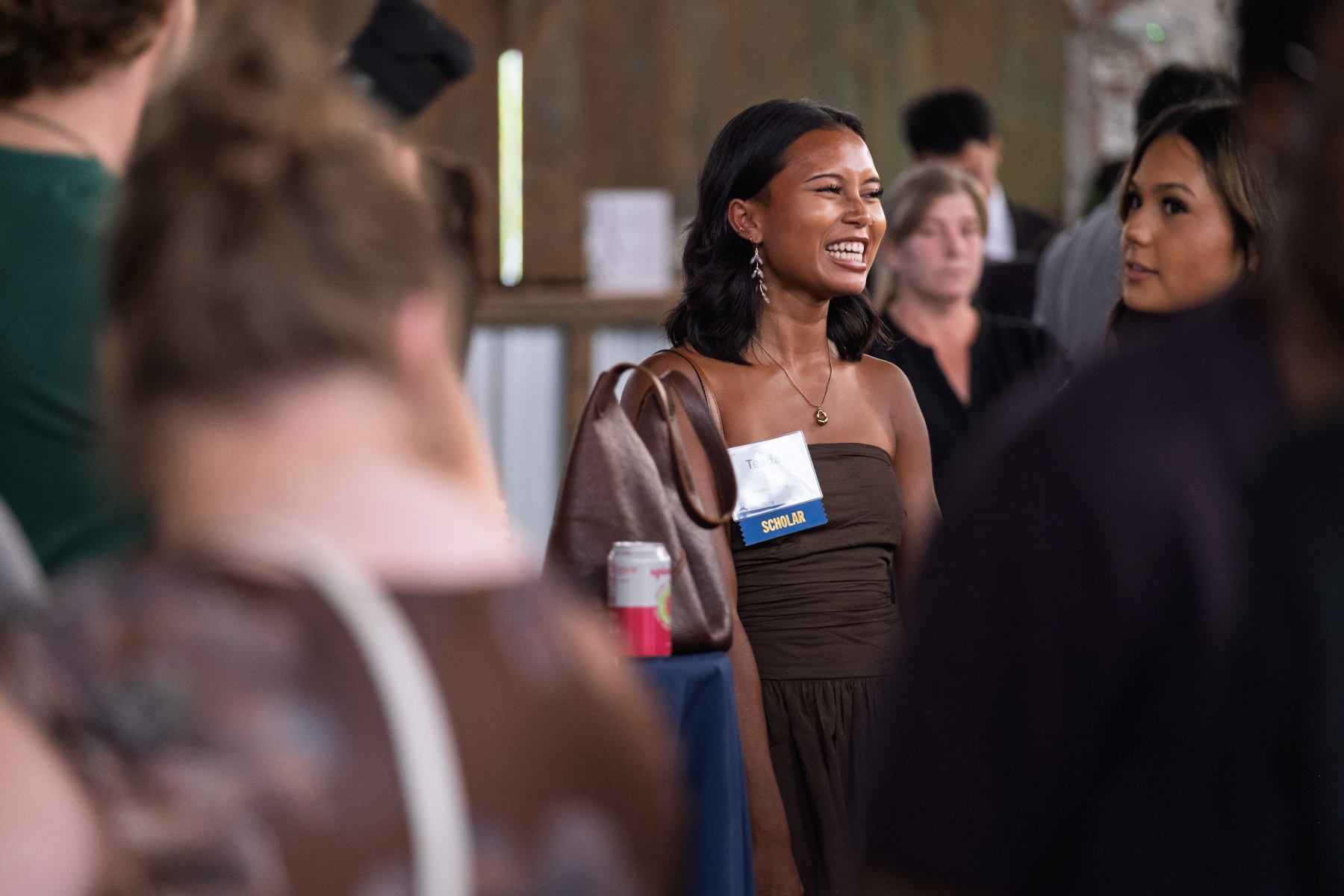
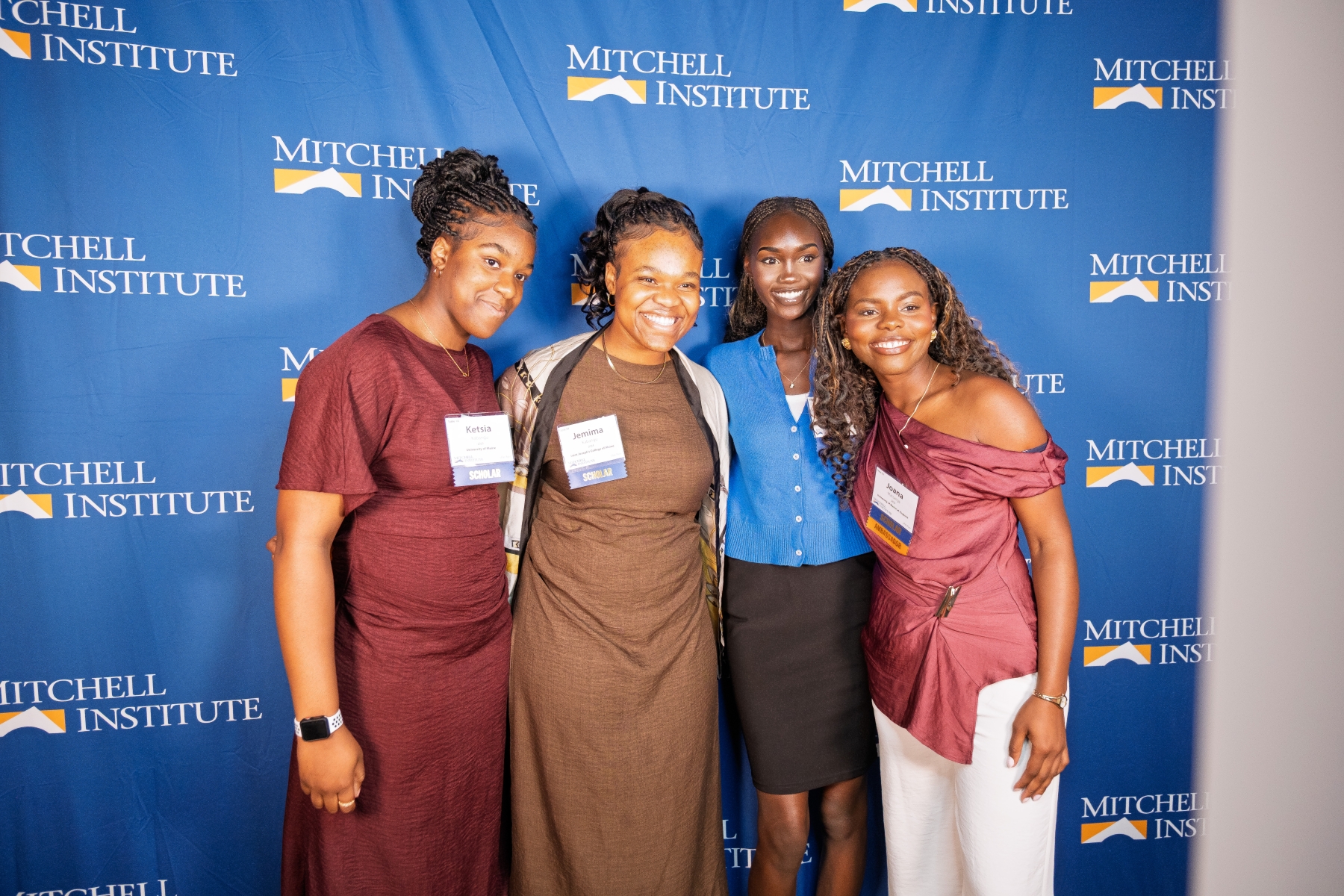
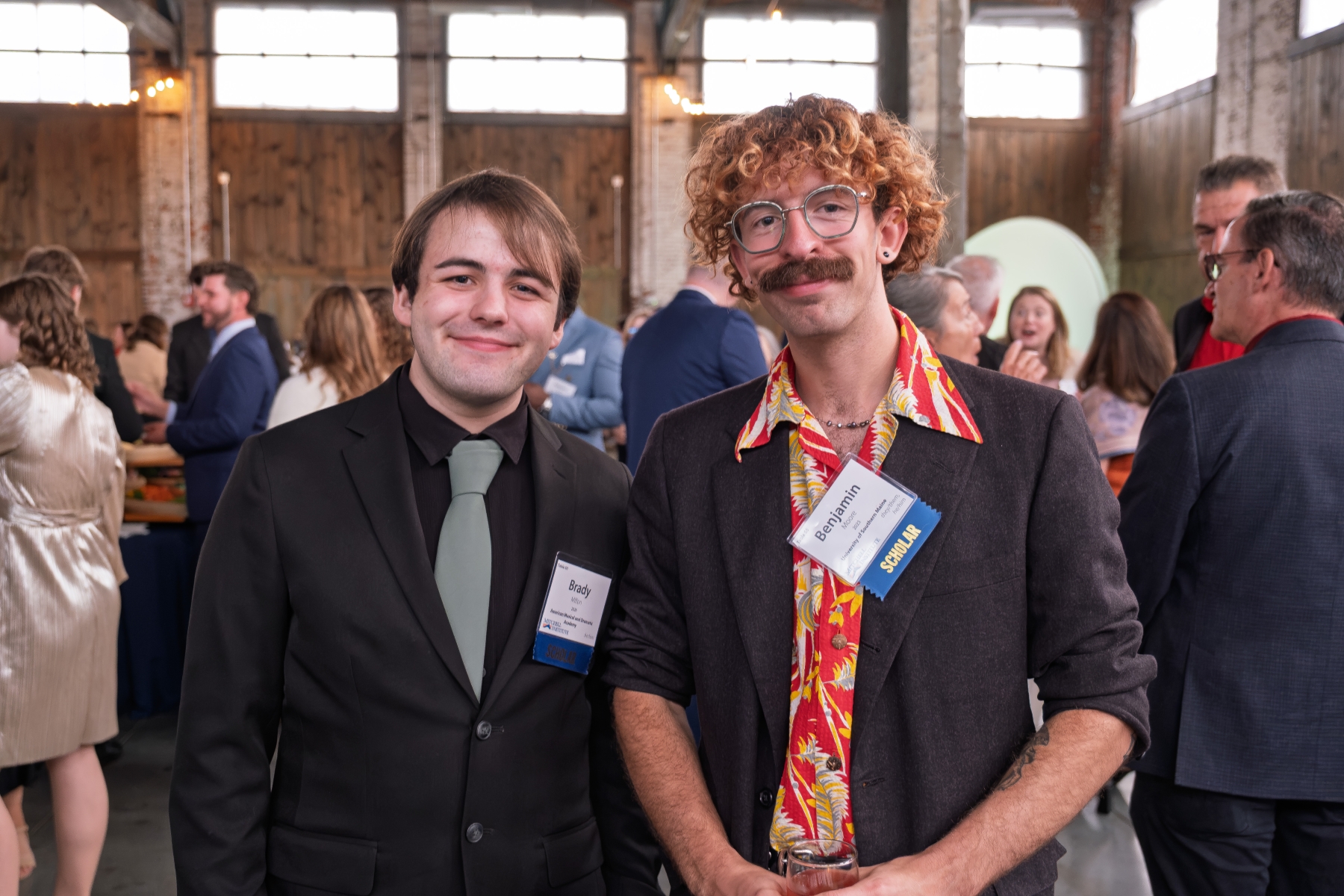
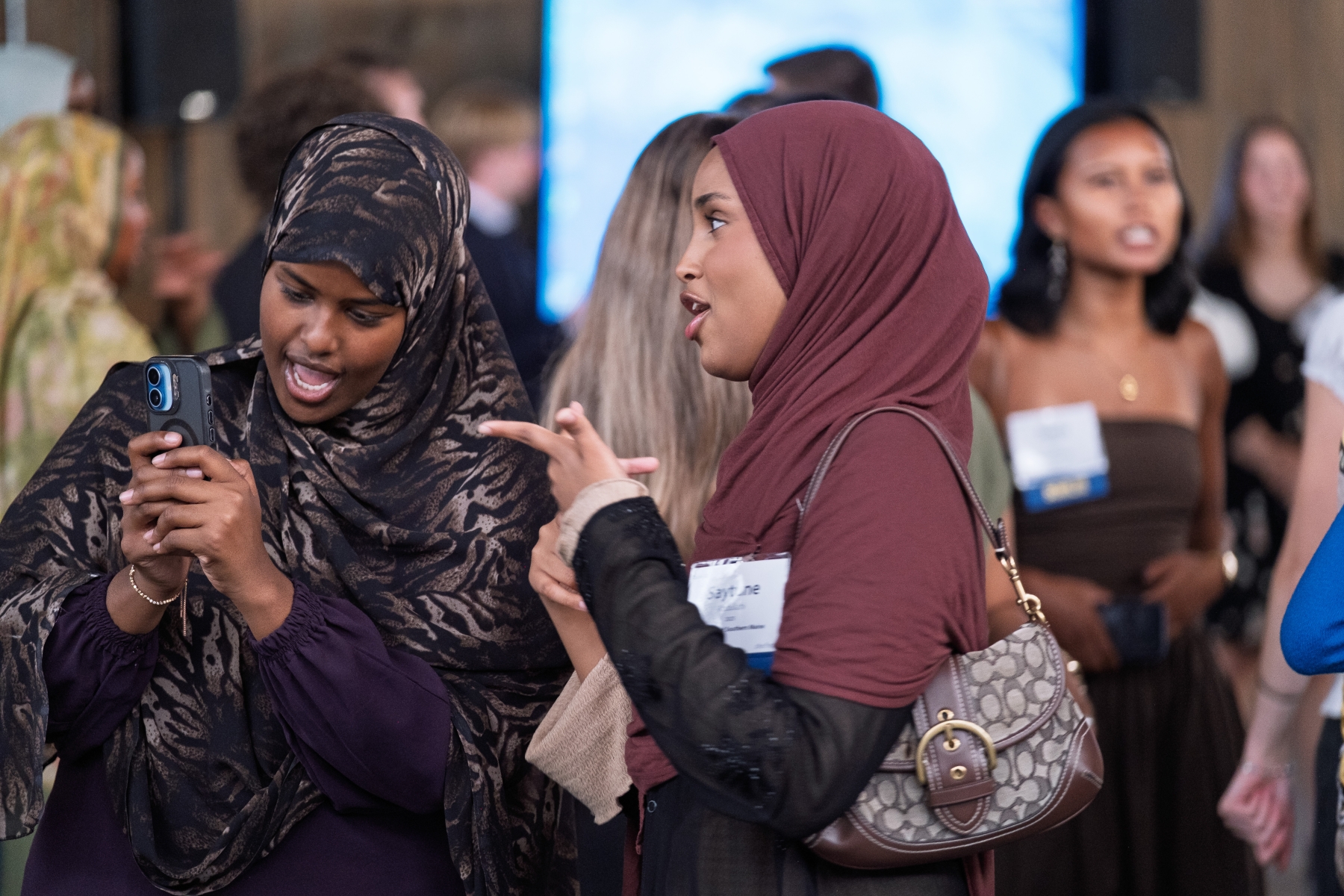
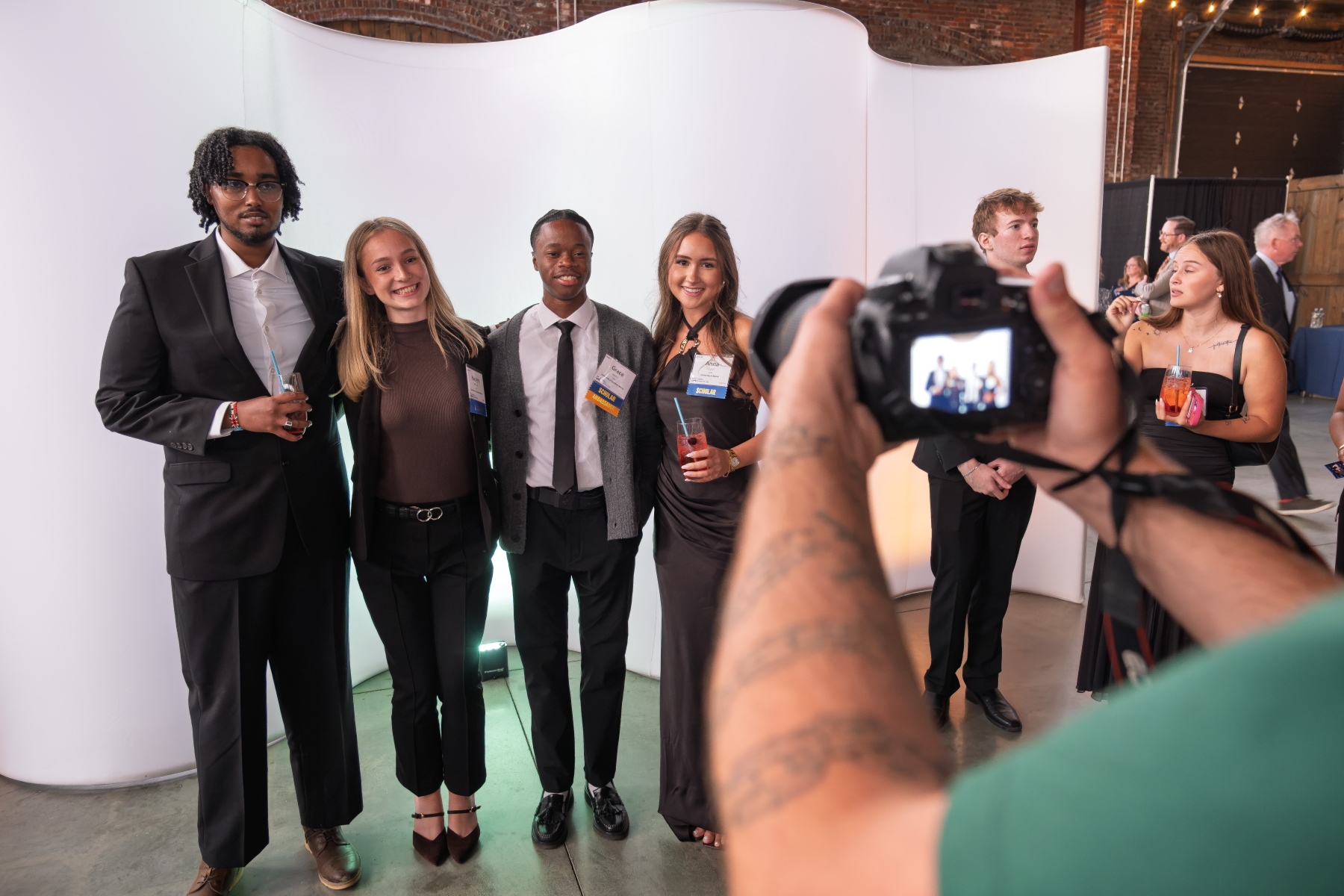
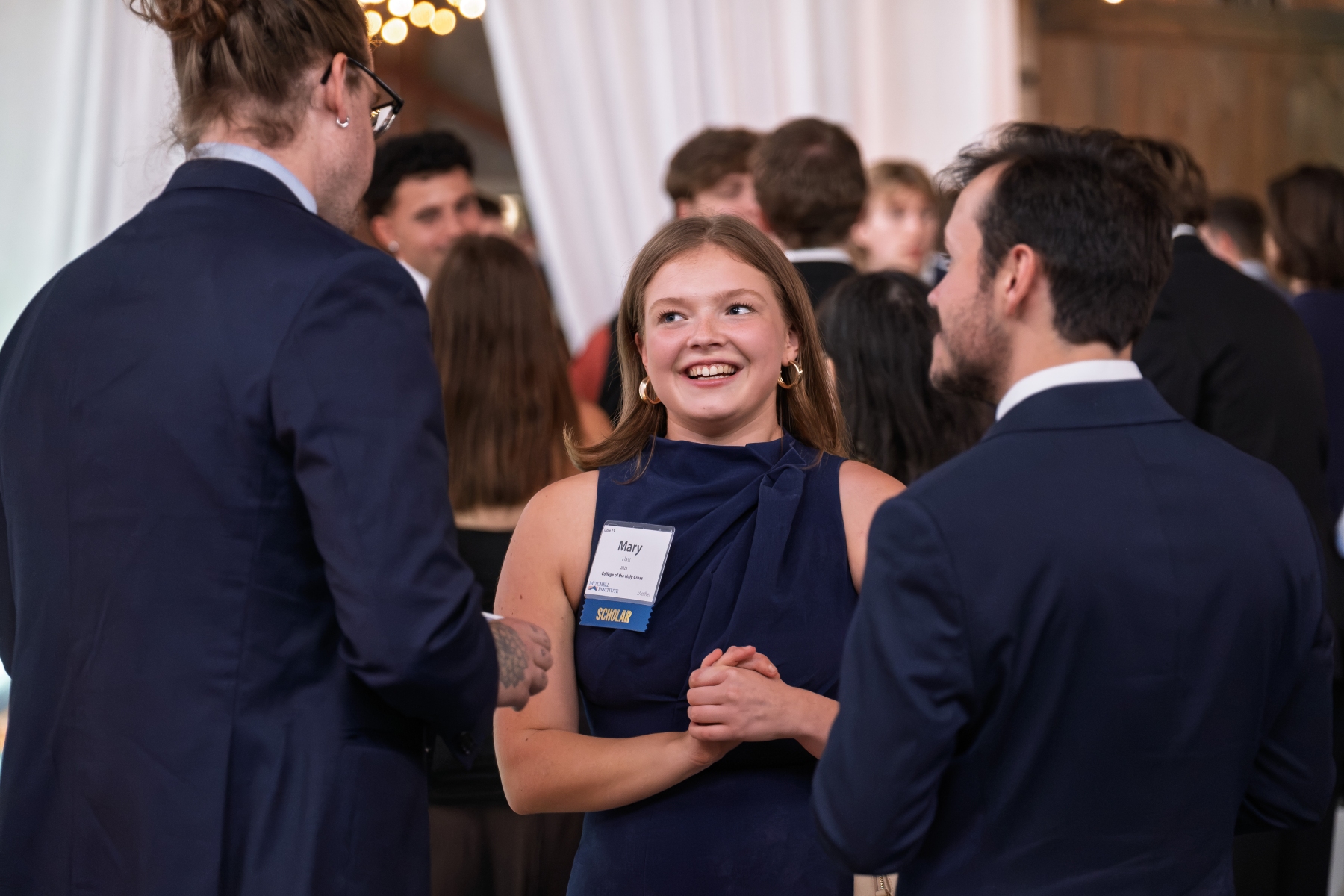
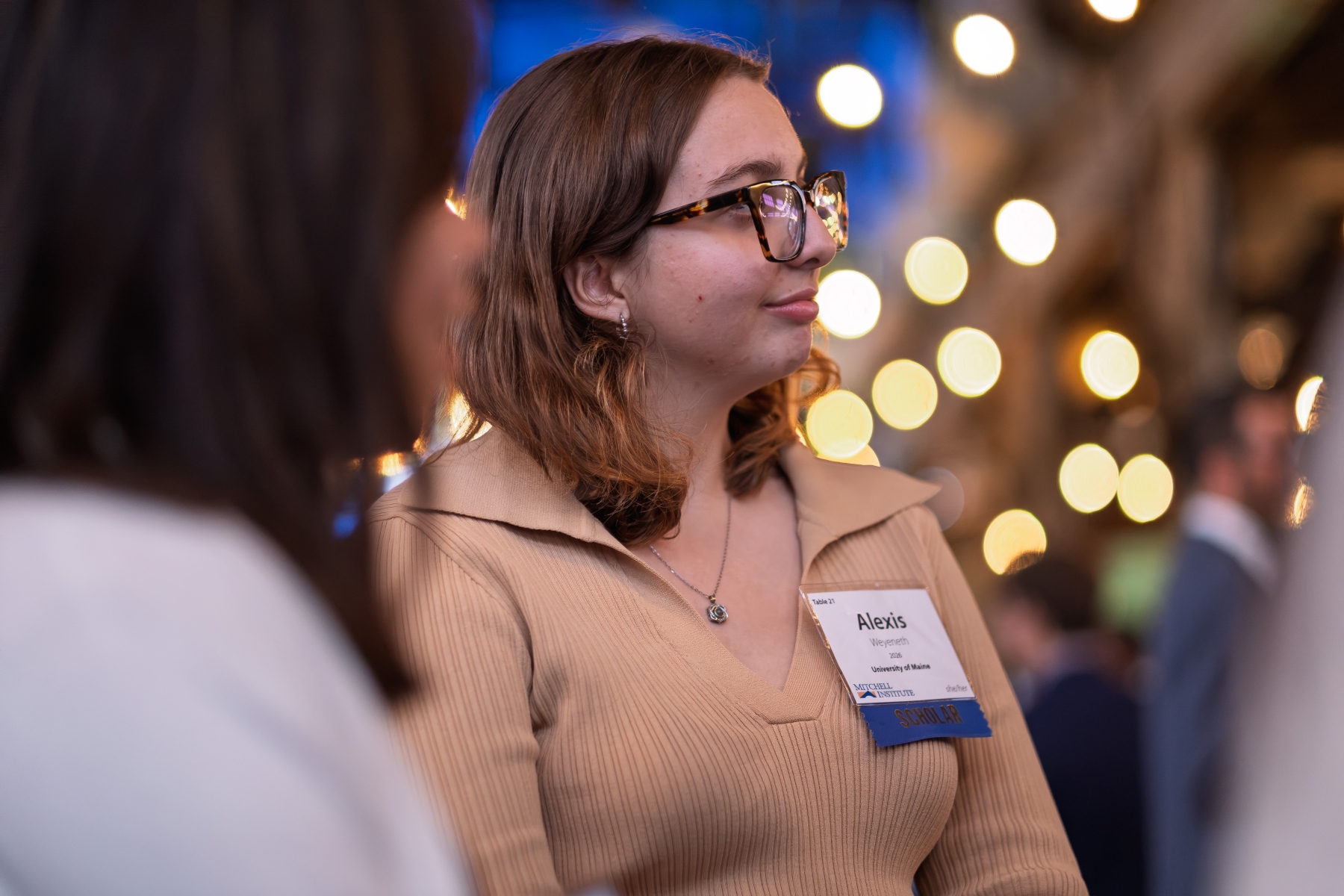
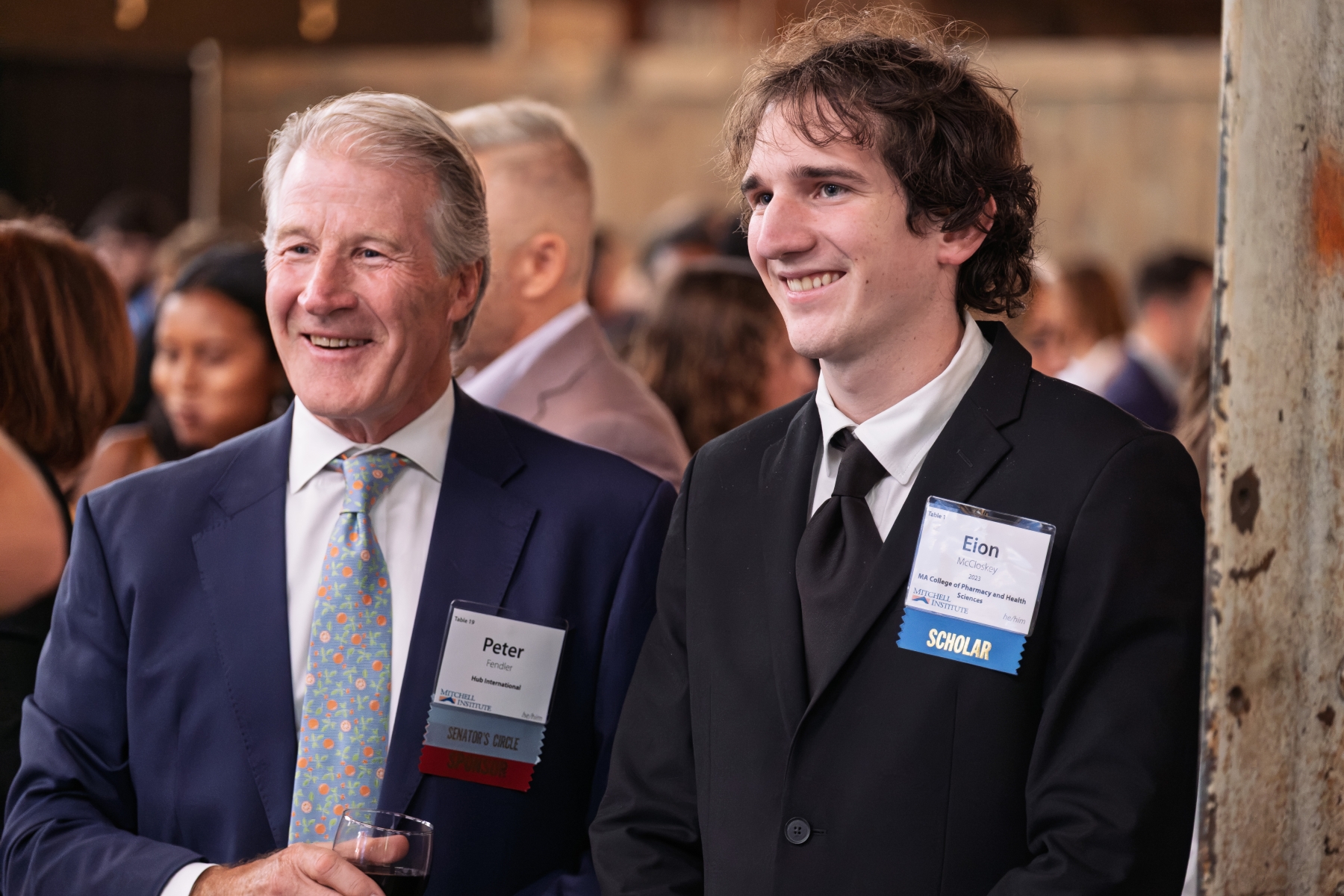
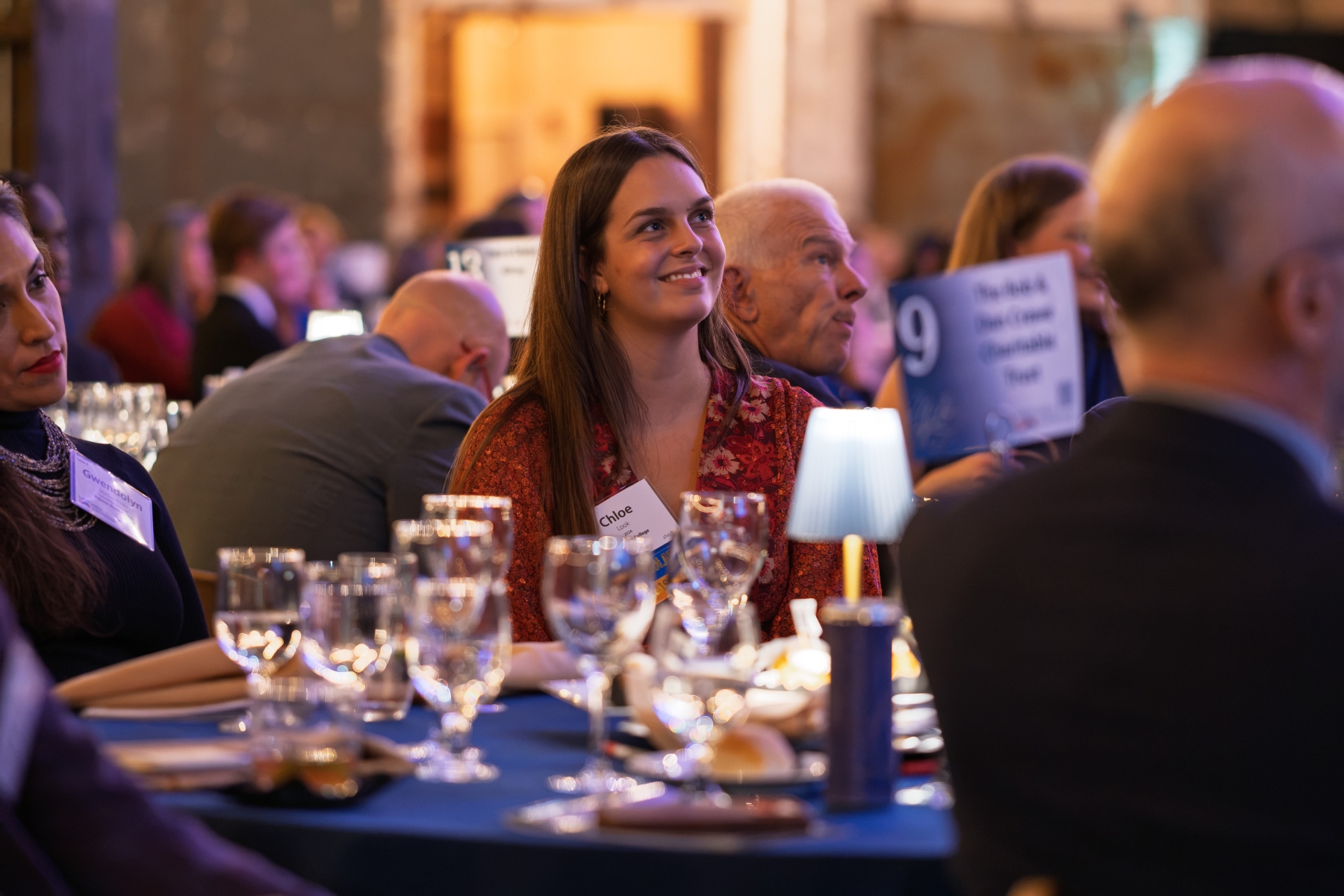
Promptly at 5 p.m., guests began to walk through the doors of Brick South, hugging friends and eagerly introducing themselves to Scholars in the room. Before long, the building was humming with animated conversation, genuine laughter, and music by a University of Southern Maine student jazz combo.


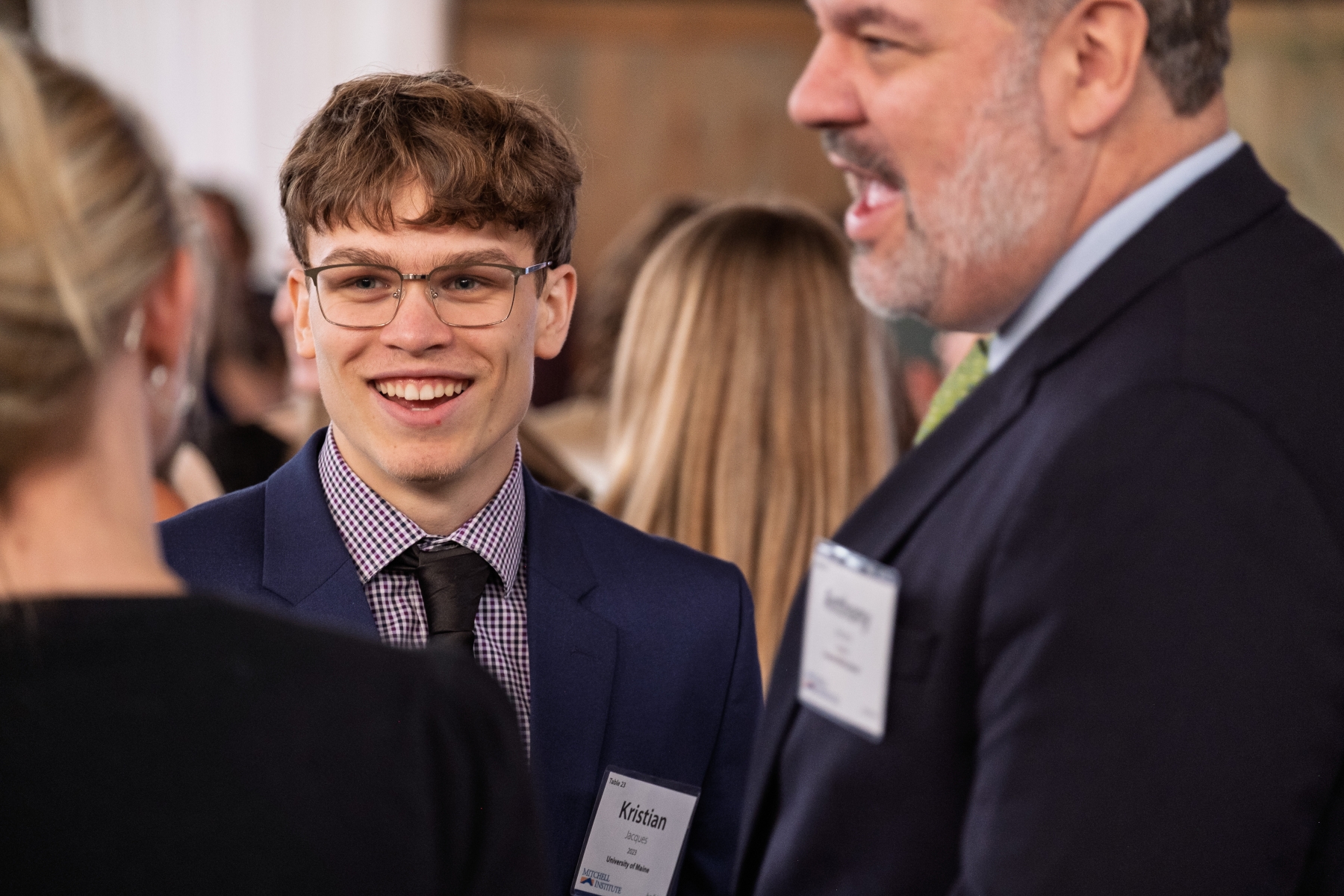
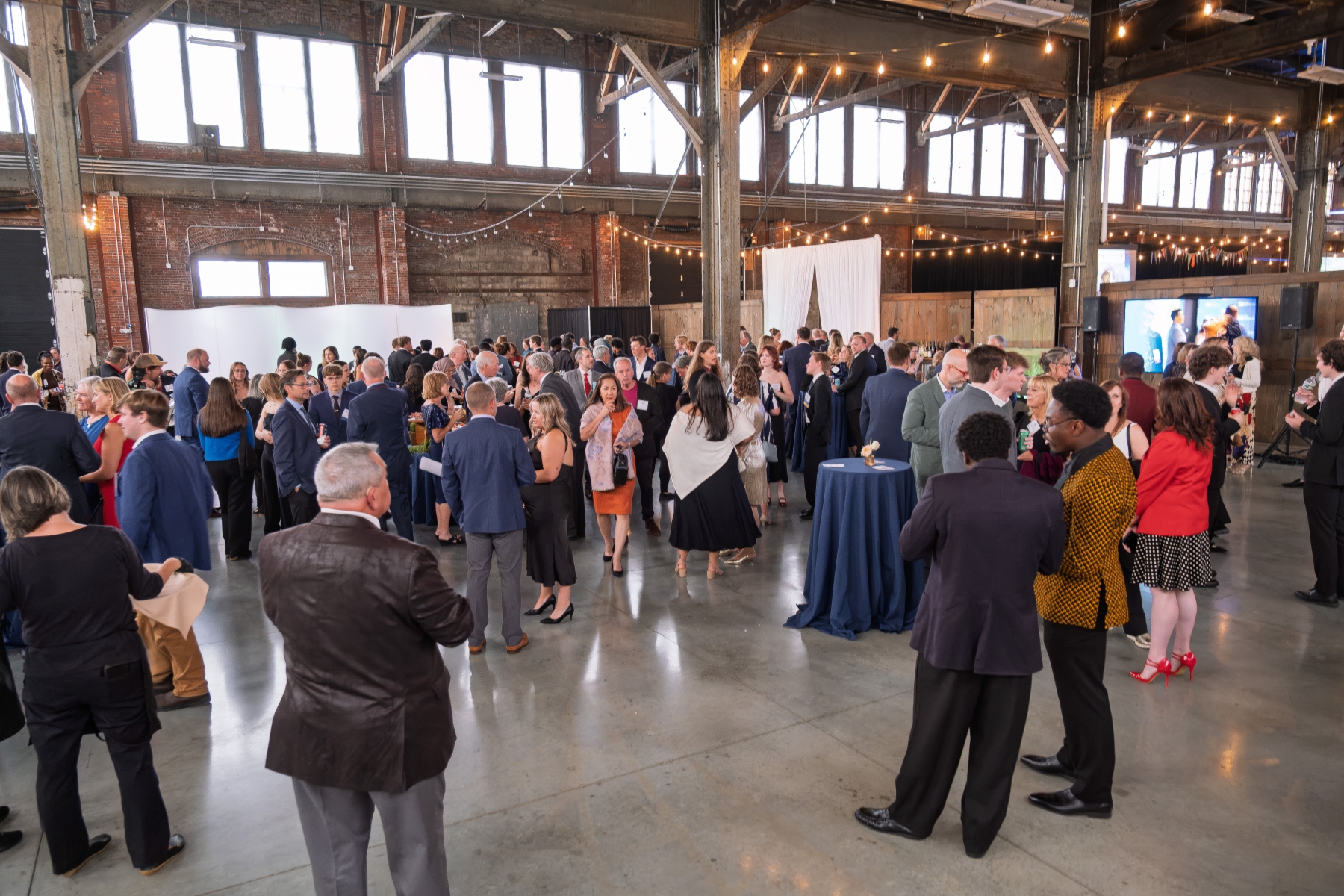

“[Maine is] one big state, but we’re one big community, and I think this event kind of exemplifies that. We’re all here to show up and hear these stories and support these Scholars—both the current cohort [and] also the Alumni. It’s really an opportunity for all of us to say, ‘We see you, and we’re here for you, and we’re rooting you on.’”– Ericka Dodge Katz, Director of External Communications and Community Relations for Hannaford Supermarkets
“As a superintendent, obviously I have a direct connection to schools and kids, so I get to see that immediate impact, as kids see lights and doors and windows open up for them when they get recognized by the Mitchell Institute. But I also think it’s a larger community. It’s not just about a scholarship. It’s about an experience and a set of supports that really help facilitate kids to a place where they can reach their full potential.” – Jake Langlais, Superintendent of Lewiston Public Schools
“[The Mitchell Institute] program is deeply and profoundly and positively impactful on the lives of thousands of Maine kids. The doors that it opens, the confidence it helps to build, the opportunity it helps to create—with [students’] own hard work alongside that support and scaffolding—is really remarkable and just a great thing to be a part of.” – Colleen Quint, President and CEO of the Alfond Scholarship Foundation
“I think the Mitchell Institute does an excellent job supporting kids through their journey in college. College can be such a stressful, new experience for so many people. The community that the Scholars have formed, and what the Mitchell Institute does to support that community, is really a unique thing that I haven’t seen anywhere else.” – Christina Consigli, Project Executive at Consigli Construction Co.
“The Mitchell Institute creates the rising tide that lifts all boats. What it does is it not only lifts Scholars who are high-potential individuals graduating from high schools across the state, but those Scholars then turn into community members as they get through college and into the communities and workforce in the State of Maine, where they’re contributing and giving back so much to this state.” – Andrea Maker, President of FocusMaine
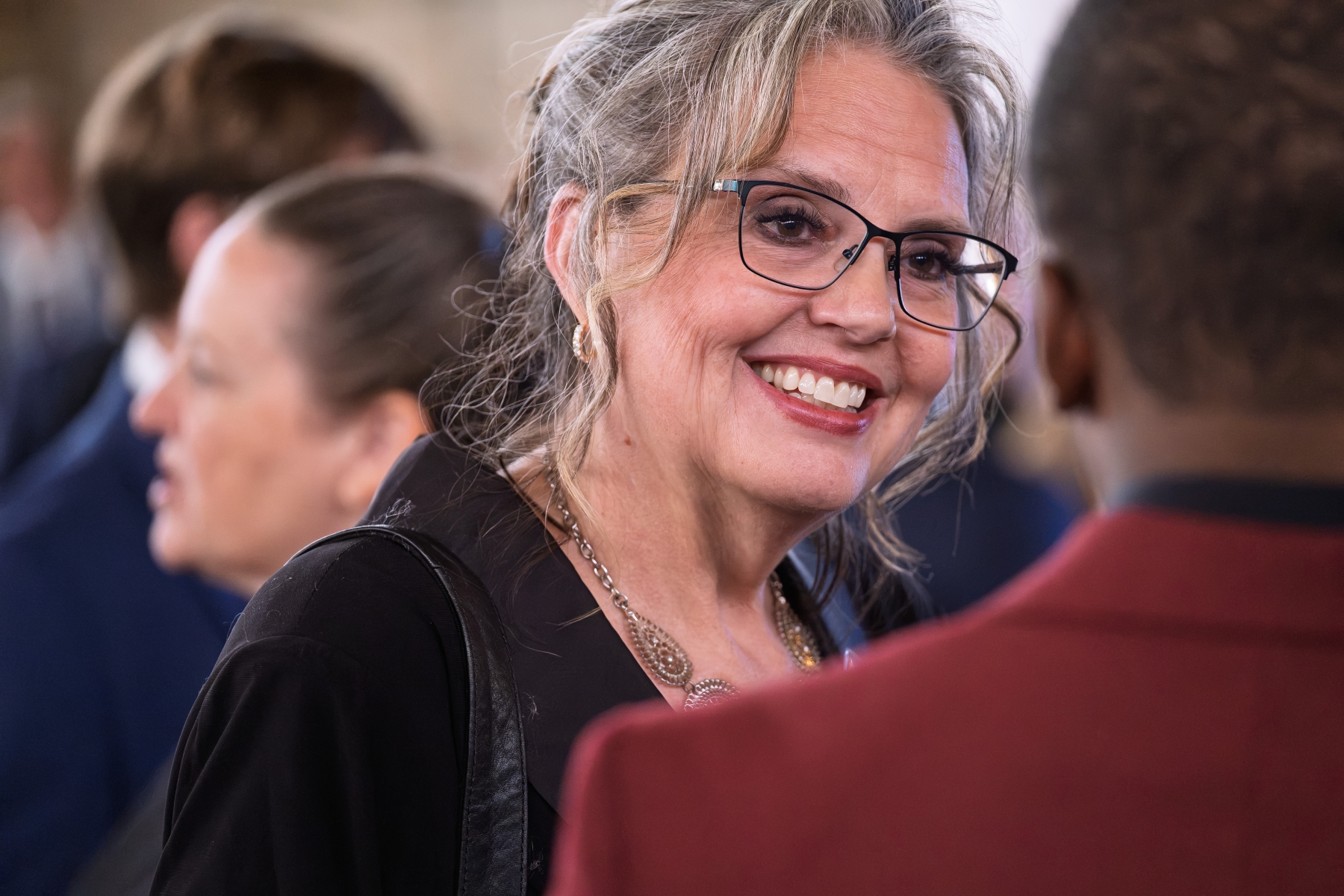
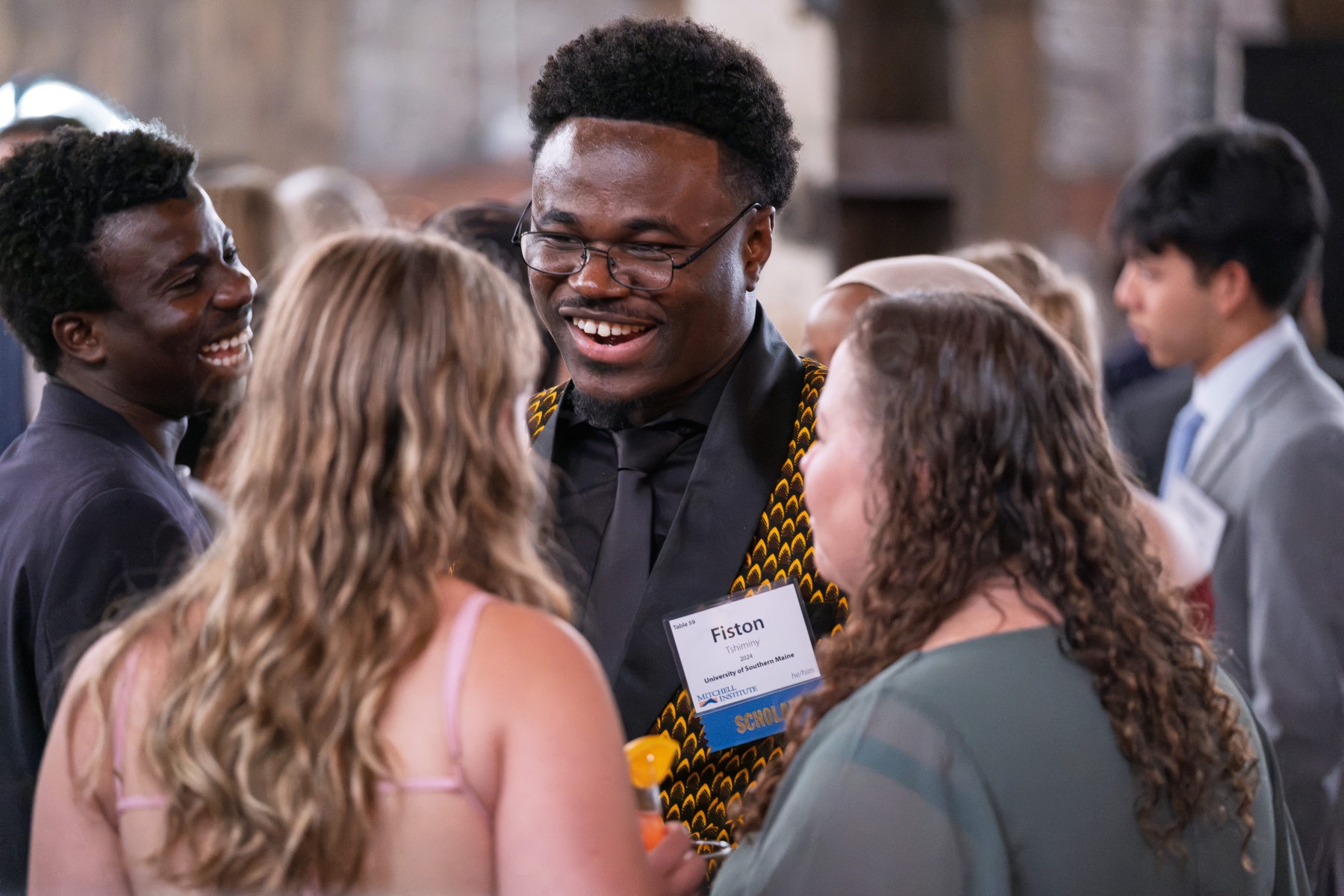

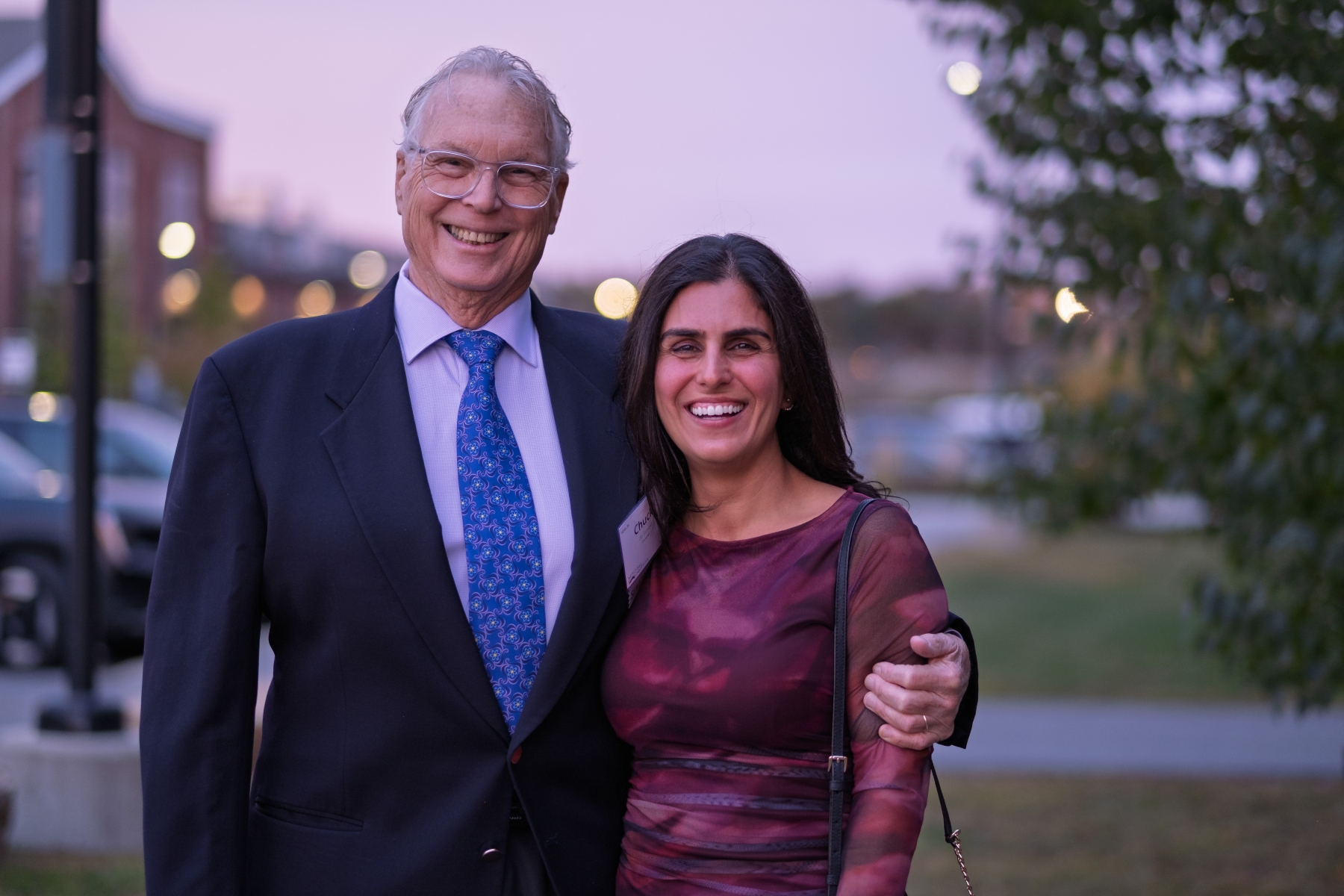
Once guests settled into their dinner tables, Mitchell Institute CEO Jared Cash kicked off the night with warm greetings and rounds of appreciation, taking note of how this network of support—past and present—has allowed the mission to grow from recognizing 20 Scholars in its first year to 200 annually today. Cash shared that there are more than 4,200 Mitchell Scholars and Alumni who make up this community.
Throughout his opening remarks, Cash thanked the donors and supporters who helped not only launch the Mitchell Institute’s mission but who have ensured its durability. He acknowledged the evening’s lead sponsor, KeyBank, as well as the , and commended guest Governor Janet Mills for attending the Gala every year. He also highlighted the vast representation in the room, from Maine’s largest employers to community banks to college and university leaders to artists to public servants—and more.
To close, Cash praised the Alumni, citing the 25 members who have paid forward the scholarship assistance they received to the current generation of Scholars; the 14 Mitchell Institute Alumni Council members, who devote their monthly time to strengthening Scholar connectivity and programs; and the five Alumni who serve on the Mitchell Institute Board of Directors.
Cash echoed the words from last year’s alumna Gala emcee, Christina Lemieux: “Donors, you make this mission possible. Scholars, you make it credible,” and continued:
You’ll see those words in action tonight, proving your investment is well made—in individuals, in communities, and in a mission that keeps growing.
Our Scholars continue to pay it forward, giving back to the state we call home, and we’re proud they’ll be your program speakers and table hosts this evening!
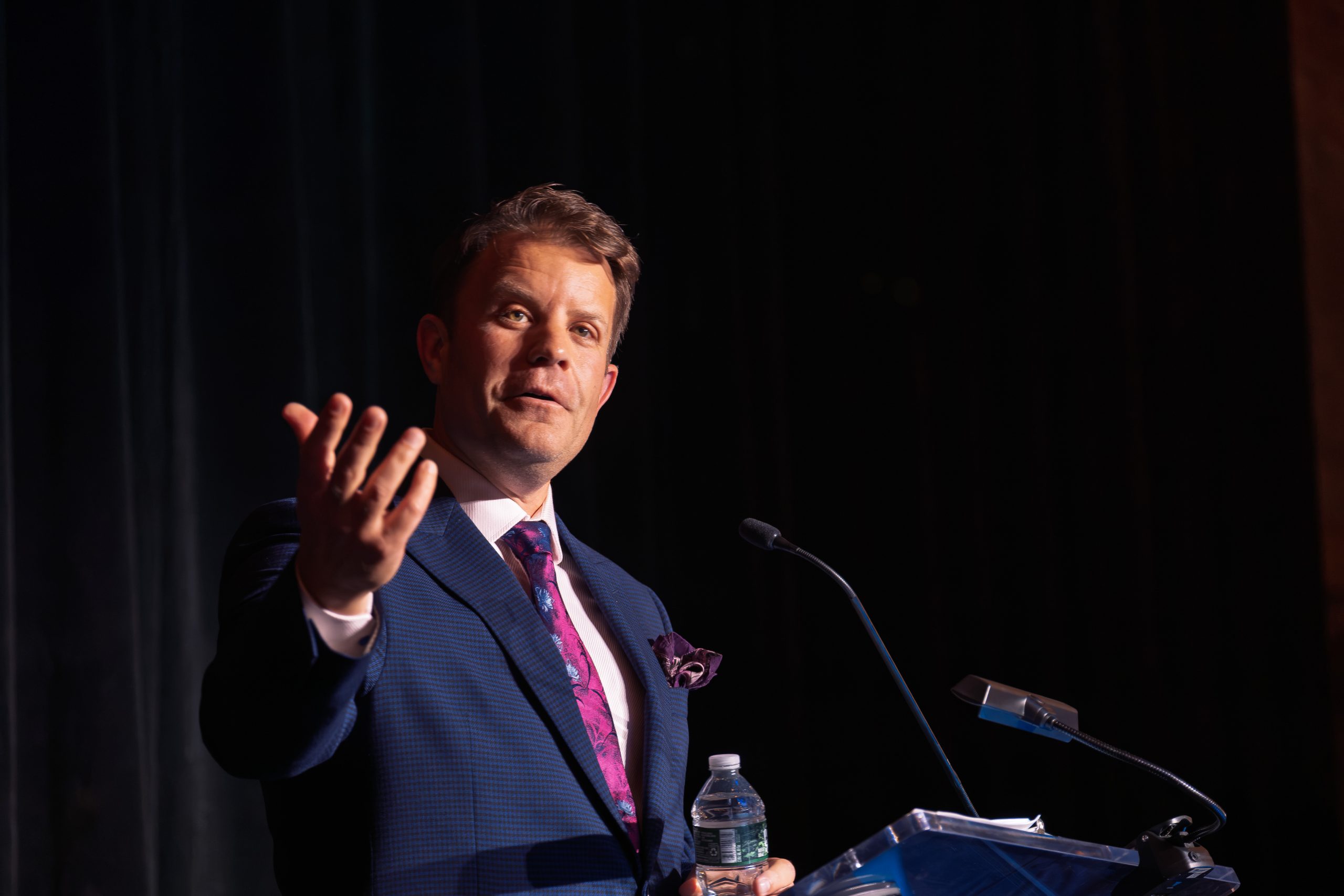
Next, Cash invited Mitchell Institute Scholarship Director Casey Near to the stage to introduce guests to the Scholars in the room:
They are aspiring accountants who bake the best carrot cake.
They are aspiring environmental planners, determined to backpack through every continent.
They are aspiring political strategists who fought wildfires in Oregon.
This summer, they studied economic mobility and workforce development in rural Maine; they mentored high school students at Upward Bound to support the next generation; they worked at Consigli Construction Co., Unum, Tyler Technologies, and Hannaford Supermarkets.
They published papers on physics-based mathematical models and have worked on a , mathematical information retrieval system.
Aspirations and accomplishments are just one part of what makes Mitchell Scholars so impressive. What makes them extraordinary is their character.
They grew up speaking Portuguese and Lingala, then learned French and Spanish to make it easier to communicate with new friends and became so proficient in English that they now serve as a medical translator.
They are teachers who take care of their siblings and stand up for what is right by noticing the kids often overlooked or underestimated.
After a work shift at the hospital, they stop by Partners for World Health to drop off unused medical materials.
At the end of a Mitchell Institute event, they ask: “How can I help?”
They look out for each other. They look at the world and ask themselves how they could make it better.
And they are part of a 31-year lineage of Mitchell Scholars who have asked themselves the same question.
Inspirational Stories
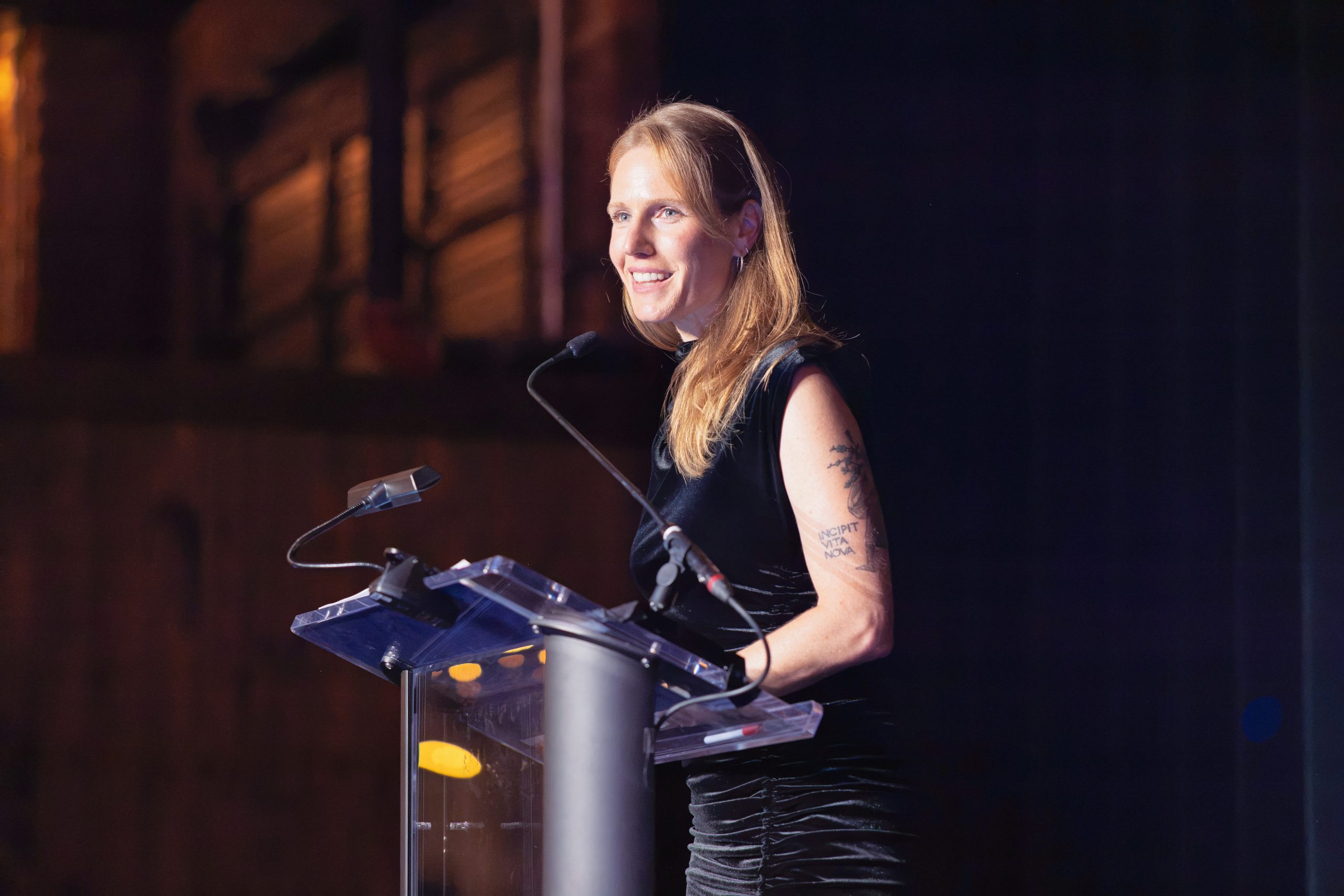
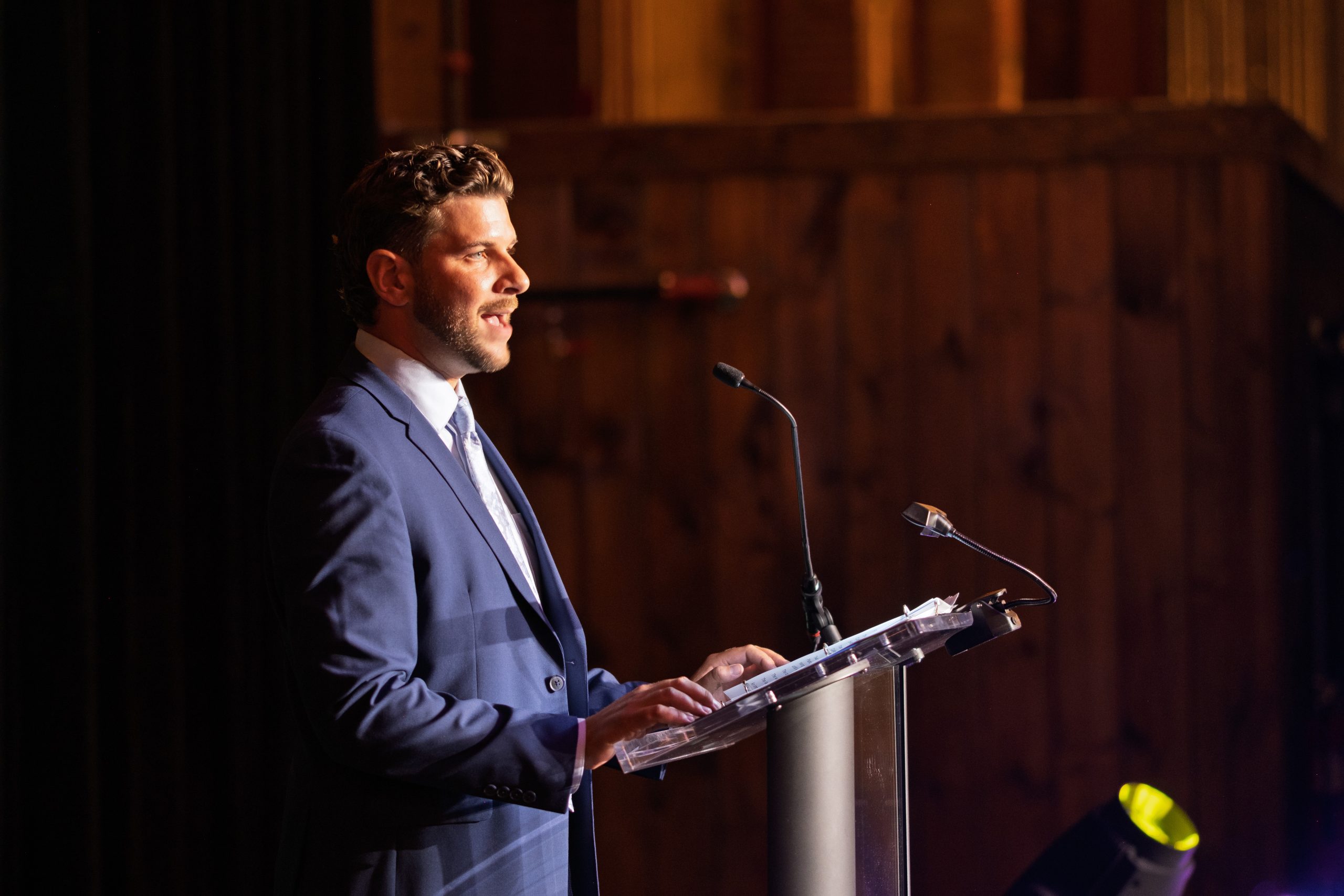
Following a dinner served seamlessly by Blue Elephant Catering, a video featuring Scholars Fatumo Abdirahman ’23 and Jamila Mohamed ’24 aired, highlighting the broad reach of the Mitchell Institute. Then, Tony DiSotto, Vice Chair of the Mitchell Institute Board of Directors and a 1999 Scholar from Jay High School, took the stage as emcee for the evening.
DiSotto described how his parents both worked in education, a career that he said provided a path forward for their family even amidst difficult circumstances. For him, that planted the seed that education creates possibilities—a notion cemented through his experiences as a Scholar.
DiSotto detailed his journey as a Colby College student and explained how opportunities provided through the Mitchell Institute shaped his life path, eventually leading him to his current role as Market President of KeyBank in Maine. He said that experience has allowed him to give back in a way that has felt unbelievably rewarding:
Over the last 27 years, I have gone from being a Scholar, to helping create employment opportunities for other Scholars, to now giving back in service of this remarkable organization. That full-circle journey makes one thing very clear: Opportunity truly does create opportunity.
Hard work matters.
Education matters.
And access to opportunity matters, too.
That is one of the things I appreciate most about the Mitchell Institute.
Being a Mitchell Scholar is truly about more than a scholarship.
It is about relationships, career experiences, leadership opportunities, and a network of people who are invested in helping young people from communities throughout Maine succeed.
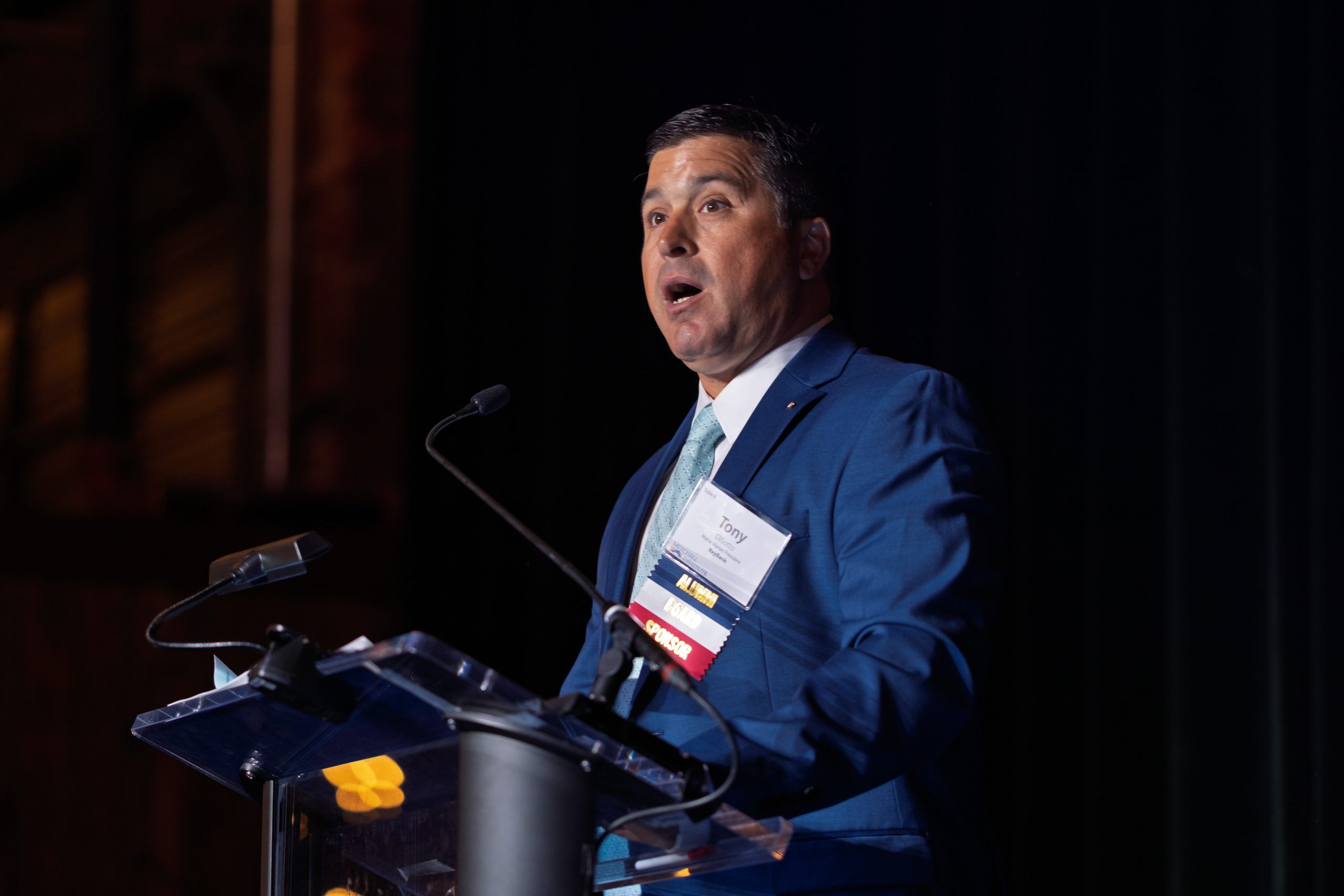
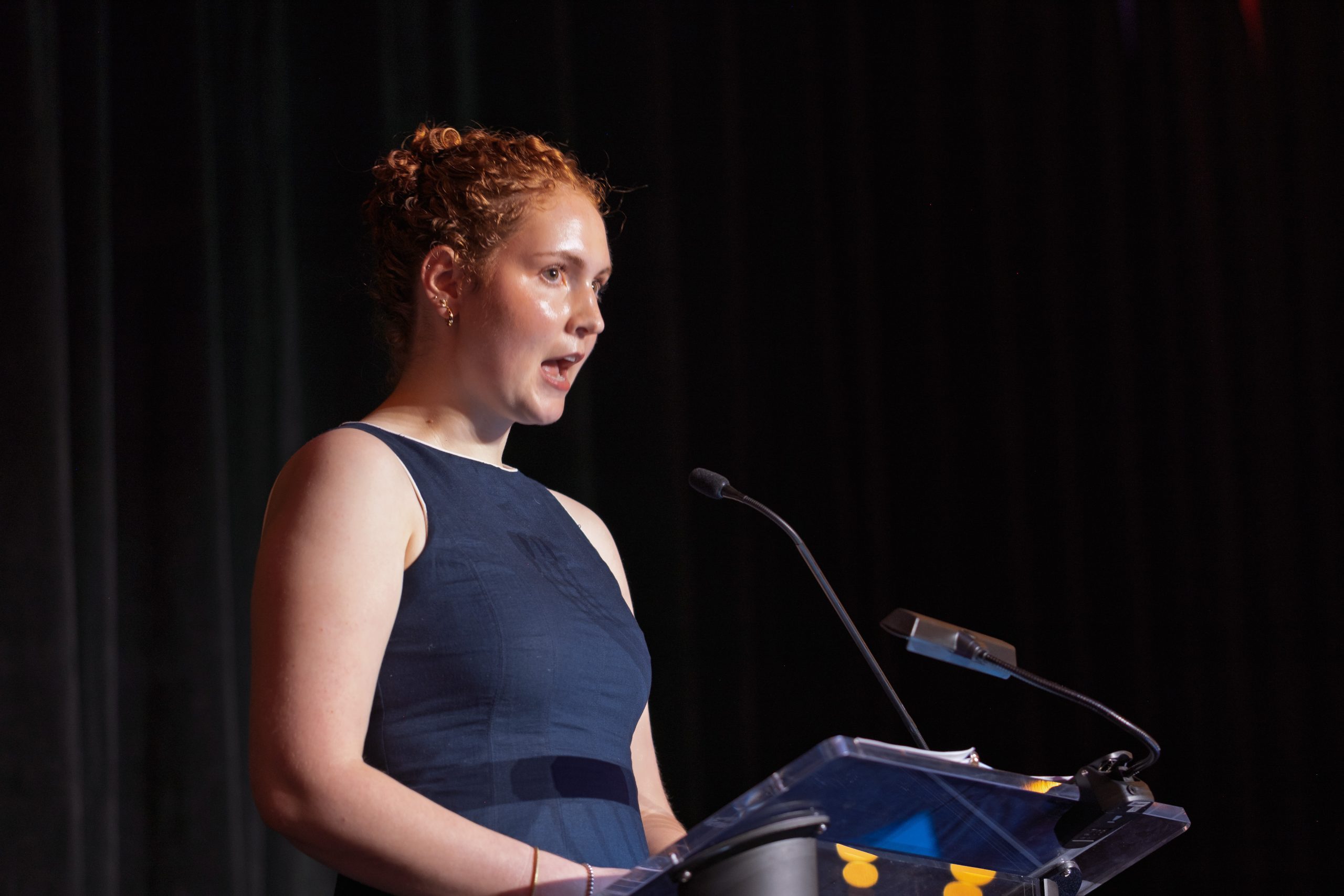
Next, another video featuring two additional Scholars, Ahmednoor Hassan ’23 and Baqer Jalil ’23, played, capturing the community of the Mitchell Institute. Then, guests prepared to hear the keynote of the evening: Scholar Speaker Gwyneth Adrian, a 2023 Scholar from Cape Elizabeth High School and current senior double majoring in Government and Economics at Connecticut College, who detailed how support from the Mitchell Institute has paved the way to opportunities she wouldn’t have imagined as a young girl growing up in poverty and an unstable home environment.
Throughout her speech, Adrian referred to a couple, Margaret and Nate, whom she babysat for as a teenager and who became influential figures in her life. She said it was through their guidance that she began to consider the possibility of going to college:
Margaret and Nate had been asking me about my next steps for months. They knew I loved school and did well. To them, college was not a question of if I would go but where. Their confidence in that possibility was far ahead of my own.
One evening that September, Margaret sat me down with a yellow legal pad and asked what I wanted in a college. I had no idea how to answer her.
She began writing headings across the page: location, size, type, and areas of study. To Margaret, these were broad categories meant to help narrow a list. I had never seriously considered any of them, and I had almost no basis for an opinion. I certainly couldn’t have explained the difference between a research university and a liberal arts college; I had never visited a college campus before.
Margaret trusted me every day to care for her daughters. I was accustomed to working long hours, helping support my family, and managing responsibilities well beyond my age. Yet I was sitting across from my employer, asking questions most 17-year-olds would discuss with a parent.
Margaret’s response was immediate: I needed to go see colleges—different kinds, different sizes, in different places—so I could begin to develop opinions of my own.
For the first time, I was being asked to think about my future in terms of what I wanted, rather than what was required of me.
Adrian shared that at some point during the college application process, Margaret mentioned the Mitchell Scholarship as a possible financial resource. Adrian applied and was named the 2023 Mitchell Scholar from Cape Elizabeth High School, and that boost—plus a financial aid package from Connecticut College—made going away to school feel financially feasible for the first time.
Adrian explained that throughout college, she has learned to lean on the Mitchell Institute for additional support. By the end of her first semester, the laptop she had bought herself in high school crashed, and she had to borrow friends’ computers during finals. Margaret encouraged her to reach out to the Mitchell Institute, and after some initial hesitation, she did so, receiving a check from the SOS (Support Our Scholars) Fund a few weeks later. Then, by sophomore year, Adrian was eager to study abroad and leaned on the Mitchell Institute for support once again:
There were practical questions about cost, academics, and how time abroad would fit with the professional experience I was trying to build. Eventually, I asked [Scholarship Director] Casey Near for help.
Casey helped me work through those questions. She introduced me to a program in Geneva, helped me navigate the application process, and encouraged me to apply for the State Department’s Gilman Scholarship. When I was awarded the Gilman, she celebrated with me as family would.
But even with Gilman, there was still a financial gap. Mitchell stepped in once again, awarding me a Fellowship that made the difference.
That fall, I moved to Geneva.
I lived at 18 Rue Muzy, a block from Lac Léman, and spent the semester working on international economic policy. In Geneva, I could get on public transportation and, without much ceremony, find myself in France. There was something almost disorienting about how accessible the world suddenly felt. I had spent most of my life thinking about distance in terms of what I could not reach or could not afford to do. Now, borders I had once understood as fixed divisions became places I could cross. In a matter of months, I went from never having left the United States to moving through more than a dozen countries, learning how different a place could feel even if it was a train ride away. That semester was not my only opportunity to see the world; it was my first.
When Adrian returned to the United States in December, she discovered that she was late to finance internship recruiting for the following summer. Once again, she leaned on Near for support and was hired at investment firm Cerberus Capital Management in New York, working across their private equity, supply chain, and venture investing groups. She confirmed that she loved the experience.
To close her speech, Adrian reflected on the importance of finding support within large networks of people—and not being reduced to one’s circumstances:
When I look back on the last four years, one of the things I understand now is what it means to be known by the people who are helping me.
As people at the Mitchell Institute came to know more about my life, the details they learned did not become the limit of how they saw me. Needing help did not make the things I wanted for my future seem less serious or less possible.
I was still allowed to be ambitious.
Margaret and Nate treated me that way before they knew the details of my circumstances. Margaret did not know what was happening in my home when she began asking about college or sat across from me with that yellow legal pad. She simply took my future seriously.
And Margaret changed my life not because she had every answer, but because she was willing to share what she did have. She gave me her time. She shared knowledge that was ordinary to her and entirely new to me. She opened her own relationships and networks.
Eventually, one of the things she shared with me was the Mitchell Institute. That part of the story matters enormously.
One person can have an enormous effect on another person’s life. But no one person can know every answer, make every introduction, or provide every kind of support someone may need over the course of years. Neither Margaret nor Casey had to do that. They opened doors to larger communities of people who knew different things, had different experiences, and could show up at different moments.
And mine is only one experience.
Not every Mitchell Scholar has a story like mine. Their families are different. Their circumstances are different. Their ambitions are different. And what they need from this community will be different, too.
For one Scholar, it may be emergency assistance. For another, a fellowship. For another, it may be someone who understands an industry no one in their family has ever worked in, an introduction to someone they could not otherwise reach, or an answer to a question they did not know to ask. That is the significance, to me, of a scholarship that reaches every public high school in Maine: Need and potential exist in every community, regardless of where we expect to find them.
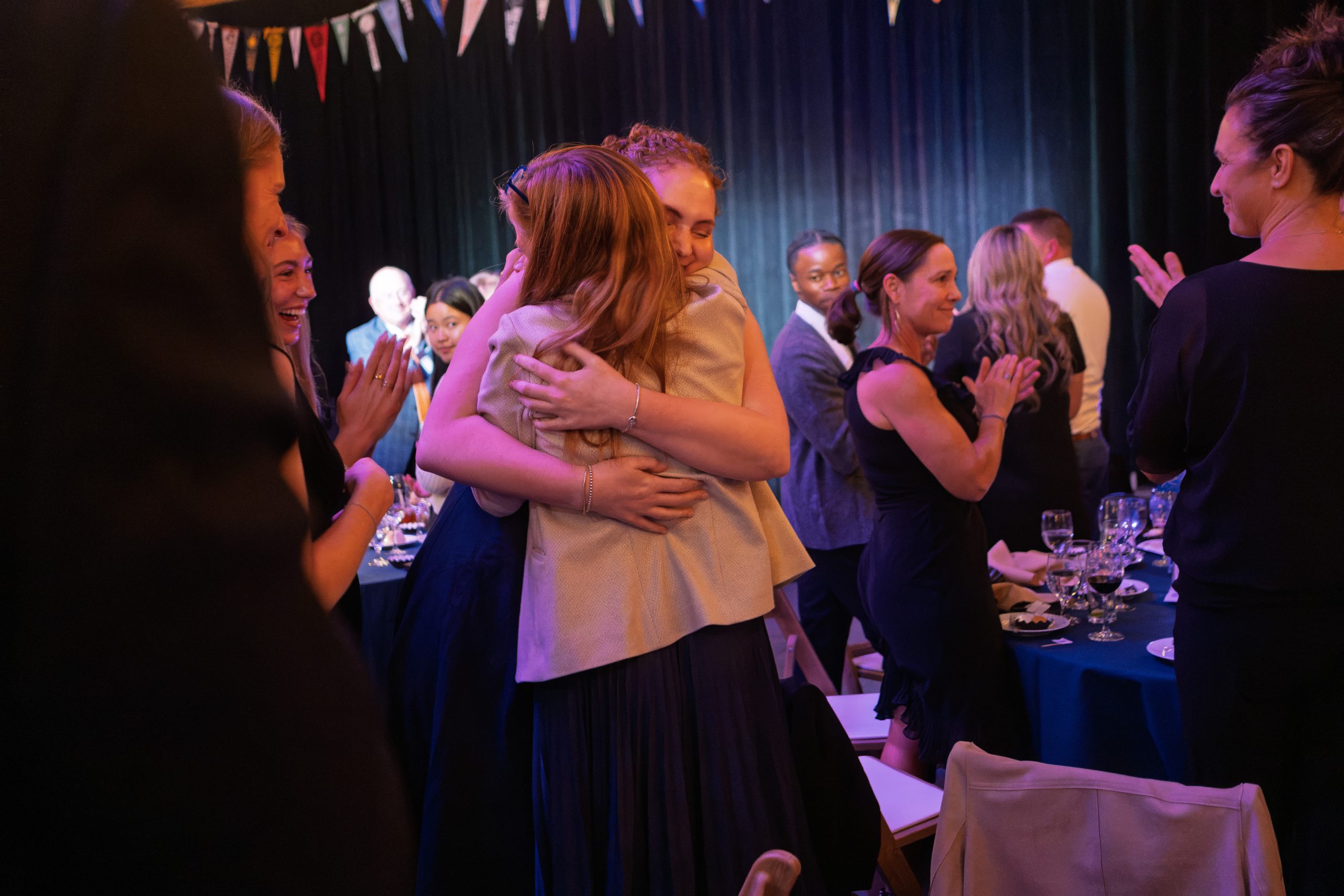
Before the final speech of the evening, guests heard from Charis Loveland, a 1998 Mitchell Scholar from Bonny Eagle High School, in a video highlighting how she has given back to the Mitchell Institute through the Truc Huynh Alumni Giving Society. Then, fellow alum Jesse Blackburn ’10 closed the night discussing his educational journey as a first-generation college student from Cherryfield—and how the Mitchell Institute created a roadmap for his success:
The Mitchell Institute looked at a student from Narraguagus High School who did not have everything figured out and said: We believe in you.
That means even more to me now than it did then because the Mitchell Institute wasn’t investing in a finished product. I didn’t have a degree. I didn’t have a career. I certainly didn’t have a carefully mapped-out plan for the next fifteen years.
I was a young person from Washington County trying to figure out how big a life I was allowed to imagine, and the Mitchell Institute looked at that unfinished story and said: This future is worth investing in.
Yes, the scholarship mattered tremendously.
But the Mitchell Institute was never simply a scholarship check.
There were people attached to it, relationships, opportunities, doors opening, and conversations that kept going long after graduation.
Over the years, I would meet Mitchell Institute staff for coffee with no particular agenda. We would catch up. Talk about life. Talk about what I was working on. Talk about what might come next.
Those coffees probably looked insignificant from the outside.
They weren’t.
There is something powerful about sitting across from people who first knew you when so much of your story was still unwritten—and realizing that, years later, they are still interested in the next page.
The Mitchell Institute became a community I could keep returning to.



A Note of Gratitude
The 2026 Mitchell Institute Gala raised about $400,000 through sponsorships, tickets, an annual raffle, and other contributions. These investments directly support programs that support Mitchell Scholars. Thank you to all who donated for helping to further the mission of increasing the likelihood that young people from every community in Maine will aspire to, pursue, and achieve a college education.
This event would not have been possible without the financial support of many generous sponsors:
Lead Sponsor:
KeyBank
Prime Sponsors:
Back Bay Tower
Tyler Technologies
Rob and Diane Kilroy
Leadership Sponsors:
Fluid Imaging Technologies
Hancock Lumber
Norway Savings Bank
Consigli Construction
Unum
MaineHealth
Chuck de Sieyes + Carol Ward
The Zonnenberg Family
Program Sponsors:
Hub International
Lee Auto Malls
Hannaford
Fiducient Advisors
Colby College
The Bob and Dan Crewe Charitable Trust
Roger and Chagit Deitz
Bruce and Becky Epstein
Sue Fitzgerald
Mary Mitchell Friedman and Carol Mitchell
Chris and Nancy Pierce
Parking Sponsor:
Bangor Savings Bank
Table Sponsors:
Margaret Angell and Nathaniel Fick
Bates College
Bowdoin College
Gena Canning
Chenmark
Cheverus High School
Consigli Family
Drummond Woodsum
Mike and Denise Dubyak
John T. Gorman Foundation
Julie Goldberg
Kennebec Savings Bank
Nathan Kinney
Live + Work Maine
L.L.Bean
Lockton
Scott Maker and Andrea Cianchette Maker
M&T Bank / Wilmington
Martin’s Point Health Care
MedRhythms
MEMIC
R.M. Davis
Mac and Susan Rogers
Melissa Roy & Matt Schneider
Saint Joseph’s College
Virginia Swain
TD Bank
Turner Construction
UBS – The Andover Group
University of Maine Foundation
University of New England
University of Southern Maine Foundation
WEX